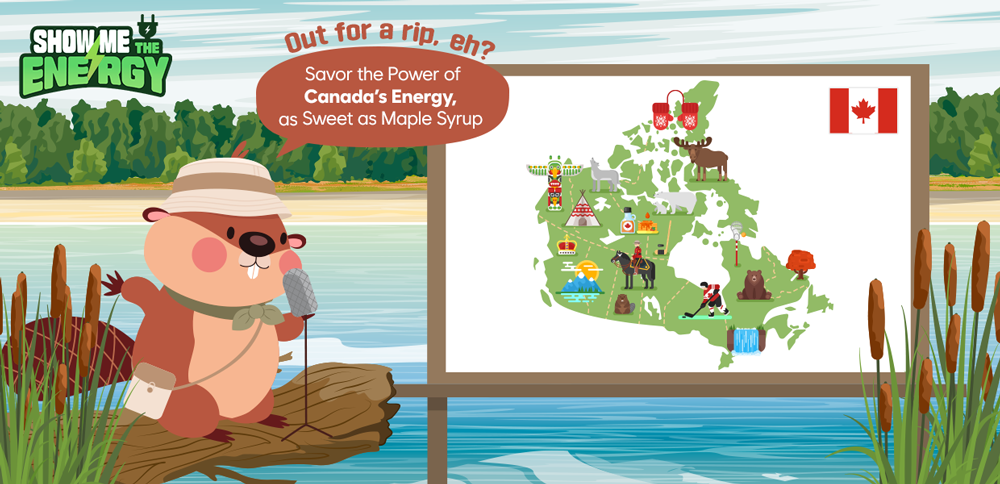
Out for a rip, eh?
Hi there! I’m Beaver, your tour guide and the proud master of dams, water, and all things Canadian.
I come from a land of snow-covered peaks, shimmering lakes, and breath-taking landscapes.
Picture yourself standing at the edge of Niagara Falls, watching the northern lights dancing over Yellowknife, or gazing at the emerald waters of Lake Louise. When you think of Canada, I bet a few of those come to mind, eh?
Did you know that Canada is also a global energy powerhouse? With a vast landmass of 9.98 million square kilometers—the second-largest in the world¹, and the longest coastline on Earth, Canada is blessed with abundant natural resources like oil, natural gas, and hydroelectric power. These resources allow Canada to contribute about 4% of the world’s total energy supply, making it the sixth-largest energy producer globally2.
But here’s the thing: in Canada’s chilly climate, energy isn’t just a resource—it’s a necessity for surviving long, harsh winters. That’s why the country has developed its own unique energy strategy over the years. From oil extracted from sand and electricity generated by roaring rivers and waterfalls to nuclear power drawn from uranium deep underground, Canada has mastered its own “energy recipe.” Ready to savor it with me?
What Lies Beneath: Canada’s Hidden Energy Treasures
⌛ Oil in the Sand? That’s the Canadian Way
As of 2023, Canada holds its spot as the world’s fourth-largest oil producer, pumping out an average of 5.1 million barrels per day3. Even more remarkable, Canada’s proven oil reserves were estimated at a staggering 174.7 billion barrels in 2022. But here’s the twist: about 97% of these reserves are found in the form of oil sands4.
So, what exactly are oil sands? They are a sticky mixture of bitumen (a type of heavy oil), sand, water, and clay. Extracting oil from oil sands isn’t as straightforward as conventional oil wells. Due to its thickness, bitumen requires heat or solvents to reduce its viscosity before it can be extracted from underground layers.
Most of Canada’s oil sands are located in Alberta, a province that single-handedly accounts for around 84% of the country’s total crude oil output5.

❄️ Battling Canada’s Deep Freeze? Natural Gas to the Rescue!
With an average annual temperature of around -5°C, Canada ranks as one of the coldest countries in the world. During winter, temperatures in the northern regions can plunge to a bone-chilling -40°C. In such harsh conditions, what keeps Canadians warm and safe? It’s natural gas.
In 2023, Canada ranked as the world’s fifth-largest natural gas producer6, generating a daily average of 17.9 billion cubic feet (bcf/d). Alberta and British Columbia lead the charge in production, contributing roughly 98% of the nation’s total output7.
Natural gas isn’t just essential for industry—it powers homes and businesses alike, bringing warmth to millions of Canadians. But that’s not all. In 2023, Canada exported an average of 7.8 billion cubic feet of natural gas per day to the U.S.8, solidifying its role as a key player in the North American pipeline network. With such volumes, natural gas has become more than just a domestic resource—it’s a cross-border strategic asset.
Canada’s Clean Energy Future: Powered by Water and Stone
Canada is paving the way for a cleaner and more sustainable future by harnessing a wide range of low-carbon energy sources, including hydro, wind, solar, biomass, and geothermal energy. As of 2022, renewable energy accounted for approximately 16.9% of the country’s total primary energy supply9. This progress aligns with Canada’s ambitious climate goals: reducing greenhouse gas emissions by 40% by 2030 (compared to 2005 levels) and achieving net-zero emissions by 2050.
? Hydropower: Canada’s Renewable Energy Giant
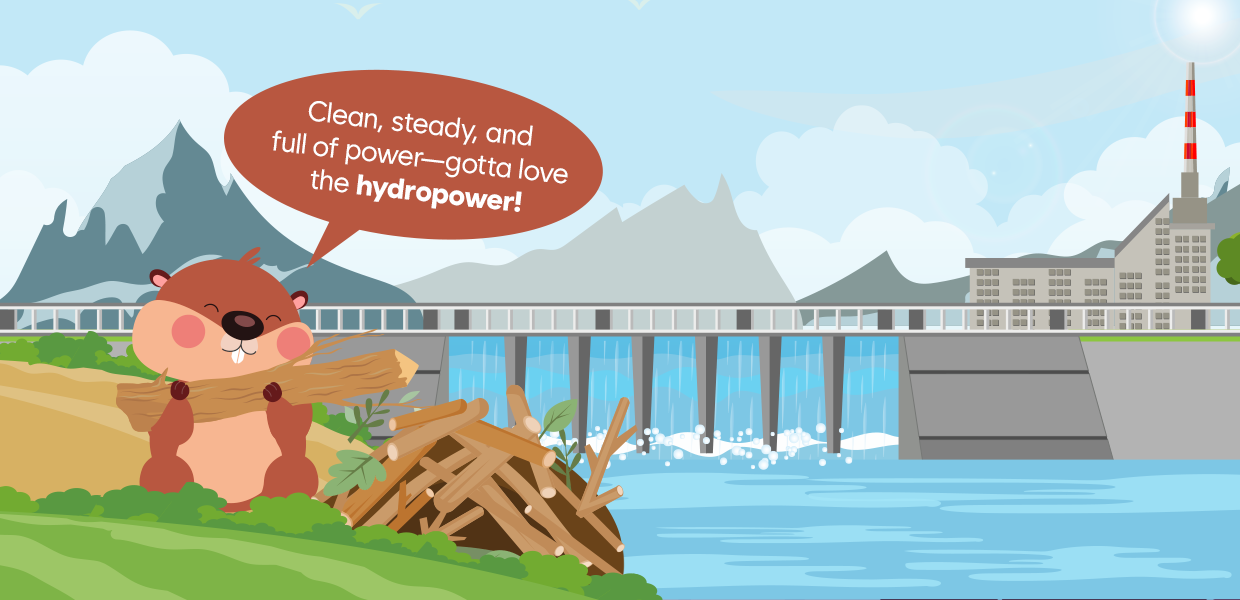
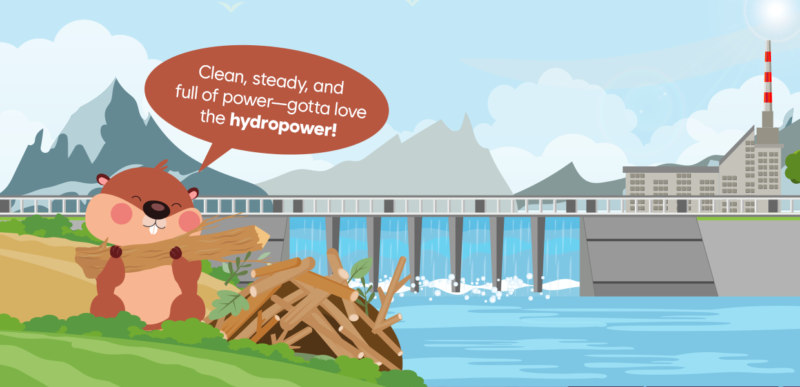
Hydropower is Canada’s most significant source of renewable energy. Blessed with abundant rivers, lakes, and waterfalls, Canada generated approximately 62% of its electricity from hydropower in 2022. That same year, it contributed about 9% of the world’s total hydroelectric production, ranking third globally behind China and Brazil10.
By 2023, Canada’s total installed hydroelectric capacity reached an impressive 82,990 megawatts, with more than 20 large-scale facilities generating over 1,000 MW each. Notable examples include the Robert-Bourassa Generating Station in Quebec and Churchill Falls in Newfoundland and Labrador11. Quebec stands out as a hydroelectric powerhouse, producing around 94% of its electricity from hydropower12, cementing its status as a national leader in renewable energy.
⚡ Nuclear Power: Brightening the Future with Uranium
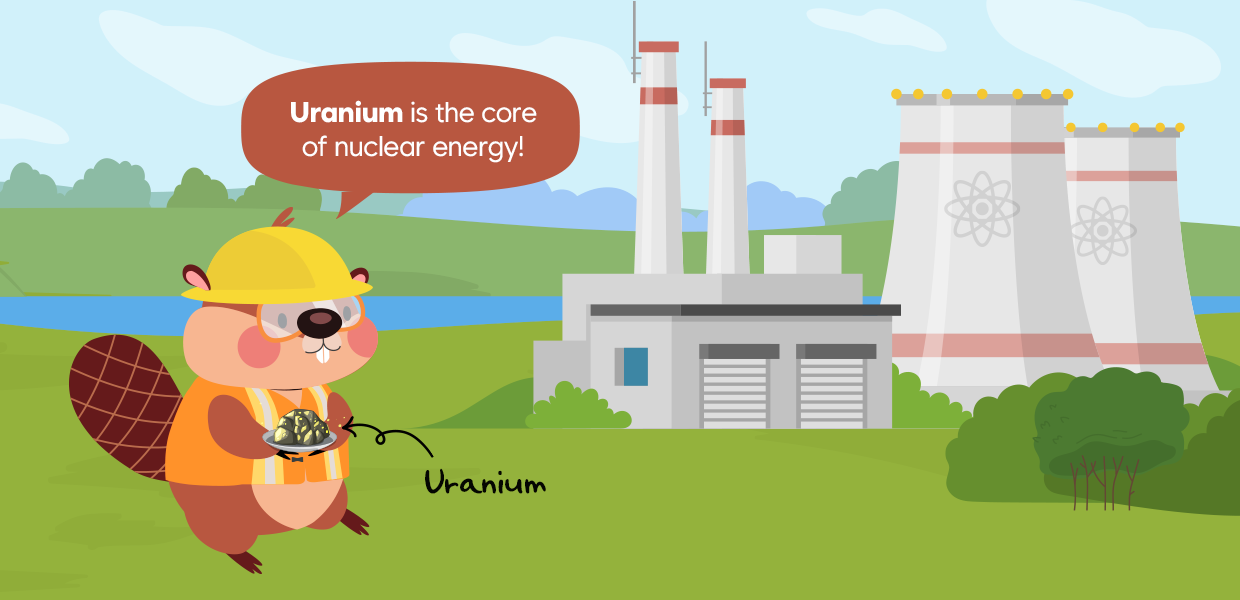
Beyond renewables, nuclear energy is another pillar of Canada’s clean energy strategy, with uranium as its primary fuel. In 2022, Canada ranked second globally in uranium production13, trailing only Kazakhstan. By 2023, Canada produced an astounding 11,373 tons of uranium, with approximately 85% exported14, underscoring its role as a critical supplier in the global nuclear energy supply chain.
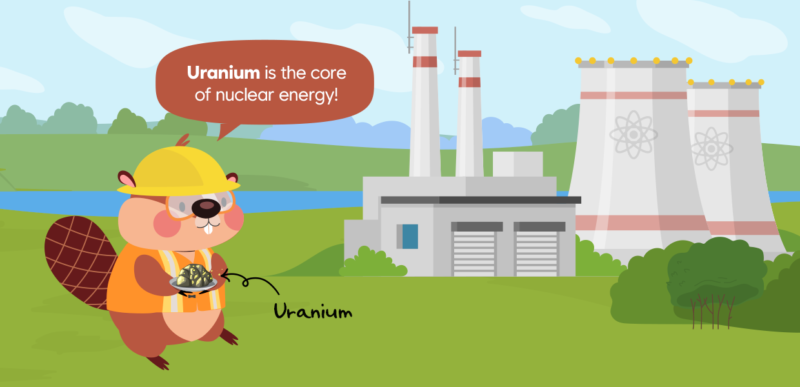
The heart of Canada’s uranium production lies in northern Saskatchewan, where the McArthur River and Cigar Lake mines are located. These sites are known for their exceptionally high-grade uranium ore. While much of this uranium is exported, it also powers Canada’s domestic nuclear power plants. Currently, six nuclear power plants operate in the country, collectively generating 14,629 MWh of electricity annually15. Among them, the Bruce Nuclear Generating Station in Ontario stands out as one of the largest commercial nuclear facilities in the world.
Canada and South Korea: Strengthening Energy Ties Through Strategic Cooperation
In May 2023, Canada and South Korea celebrated 60 years of diplomatic relations by signing a memorandum of understanding (MOU) aimed at strengthening supply chains for critical minerals such as uranium and nickel. This agreement underscores the two countries’ shared commitment to enhancing resource cooperation and jointly shaping future energy strategies.
Korea Hydro & Nuclear Power (KHNP) is partnering with Canadian firms ARC Clean Technology and New Brunswick Power to advance the commercialization of small modular reactors (SMRs). Meanwhile, the Korea Atomic Energy Research Institute (KAERI) is collaborating with the Alberta government to explore SMR applications in oil sands operations.
Big Plans for Small Modular Reactors: Canada’s Compact but Impactful Energy Strategy
The Canadian government sees nuclear power as a key player in tackling climate change and ensuring a stable energy mix. Recently, the spotlight has turned to Small Modular Reactor (SMR) technology—innovative, “small but mighty” nuclear systems that are paving the way for the future of energy.
SMRs are smaller in size compared to traditional nuclear reactors, but they pack a punch when it comes to efficiency, safety, and clean energy production. With their low-carbon footprint and strong safety features, SMRs are quickly becoming a cornerstone of Canada’s energy strategy. Canada is actively advancing several projects to bring this cutting-edge technology to commercialization.
Leading the charge is the Darlington site in Ontario, home to the world’s first commercial grid-scale SMR construction project. Scheduled to begin operations by 2029, this groundbreaking initiative is poised to set the global standard for SMR deployment and marks a major milestone in the transition to advanced clean energy solutions.

Canada’s energy mix has it all: abundant oil and gas to power the present, roaring rivers fueling renewable hydropower, and cutting-edge nuclear technology like SMRs driving innovation for a cleaner tomorrow. With its unique energy “recipe,” Canada is taking bold steps toward building a better future.
That’s it for today’s energy tour! Now, it’s time for me to gather a few twigs and get back to my dam-building duties—because, just like Canada, I need to prepare for the future too. And hey, don’t forget Canada, eh?
[References]
1 Ministry of Foreign Affairs, Republic of Korea. Country Information
2 Energy and Economic Analysis Division of the Energy Policy Branch, Natural Resources Canada. (2024). Energy Fact Book 2024–2025 p. 111
3 Canada Energy Regulator. Energy Production, Crude Oil. Provincial and Territorial Energy Profiles-Canada
4 Energy and Economic Analysis Division of the Energy Policy Branch, Natural Resources Canada. (2024). Energy Fact Book 2024–2025 p. 115
5 Energy and Economic Analysis Division of the Energy Policy Branch, Natural Resources Canada. (2024). Energy Fact Book 2024–2025 p. 117
6 Energy and Economic Analysis Division of the Energy Policy Branch, Natural Resources Canada. (2024). Energy Fact Book 2024–2025 p. 128
7 Canada Energy Regulator. Natural Gas/NGLs Production. Provincial and Territorial Energy Profiles – Canada
8 Canada Energy Regulator. Natural Gas. Market Snapshot: Overview of Canada–U.S. Energy Trade
9 Government of Canada. About renewable energy in Canada
10 Energy and Economic Analysis Division of the Energy Policy Branch, Natural Resources Canada. (2024). Energy Fact Book 2024–2025 p. 81
11 Energy and Economic Analysis Division of the Energy Policy Branch, Natural Resources Canada. (2024). Energy Fact Book 2024–2025 p. 91
12 Canada Energy Regulator. Generation Trends. Canada’s Renewable Power – Quebec
13 Energy and Economic Analysis Division of the Energy Policy Branch, Natural Resources Canada. (2024). Energy Fact Book 2024–2025 p. 91
14 Canada Energy Regulator. Energy Production, Uranium. Provincial and Territorial Energy Profiles-Canada
15 Government of Canada. Gross capacity of nuclear power plants in Canada. Uranium and nuclear power facts