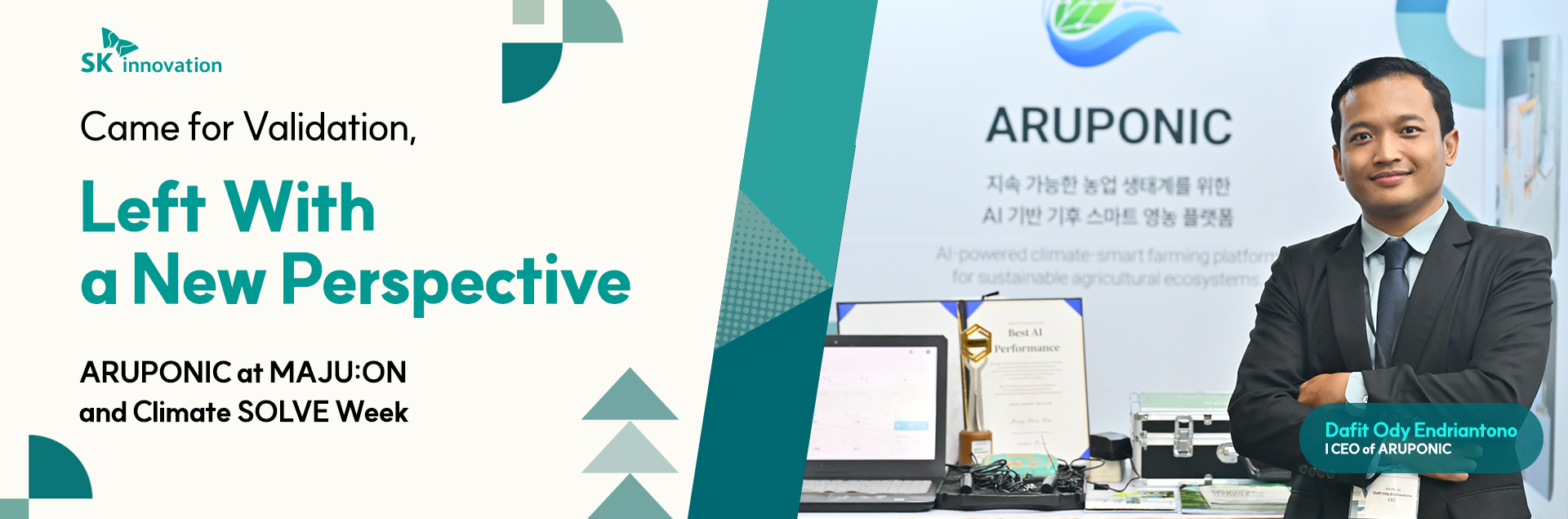

💡 Quick Summary
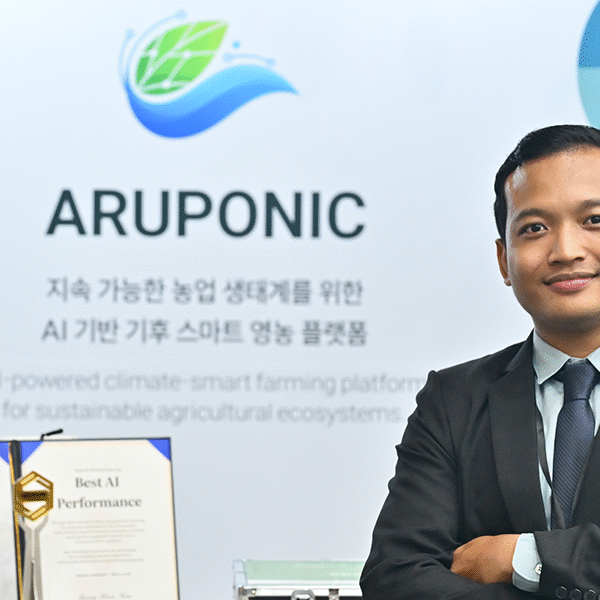
- Through MAJU:ON, ARUPONIC evolved from a university engineering team into an agritech venture, building smart aquaponics systems to help urban communities respond to shrinking farmland and food and nutrition challenges in Indonesia.
- Beyond monitoring hardware, its Harvest Take Over program helps urban farmers secure stable market access through HoReCa partners.
- Climate SOLVE Week in Busan sharpened ARUPONIC’s vision for a Self-Healing Ecosystem that watches its own sensors for failure, predicts toxic ammonia spikes up to 28 hours ahead, and runs on-device to keep its own carbon footprint low.
| From Engineers to Entrepreneurs
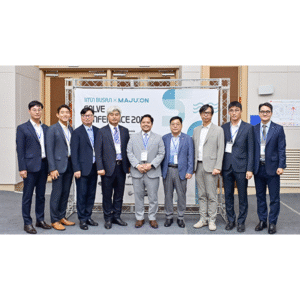
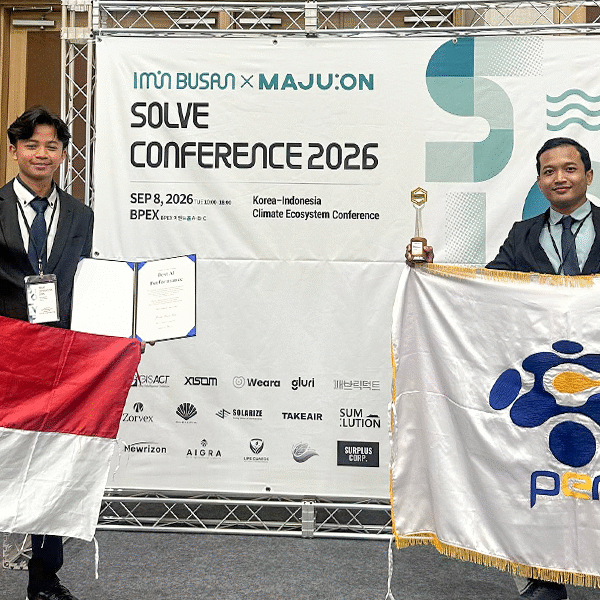
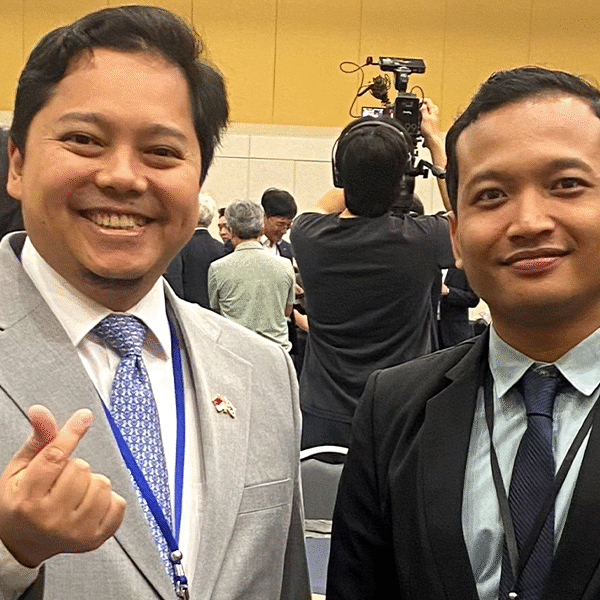
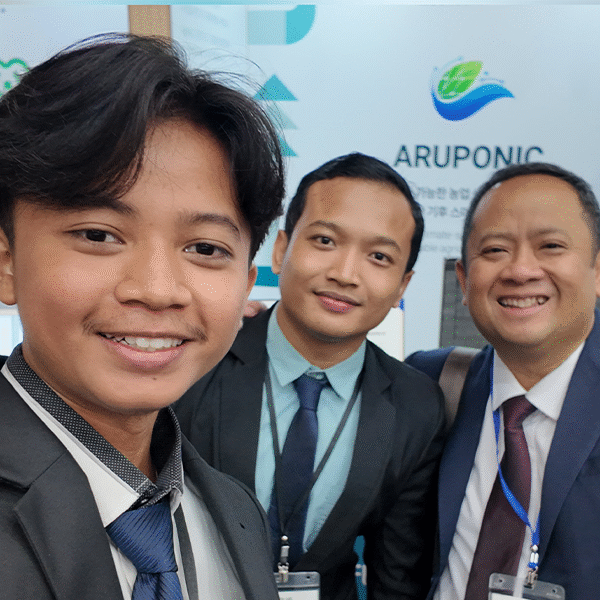
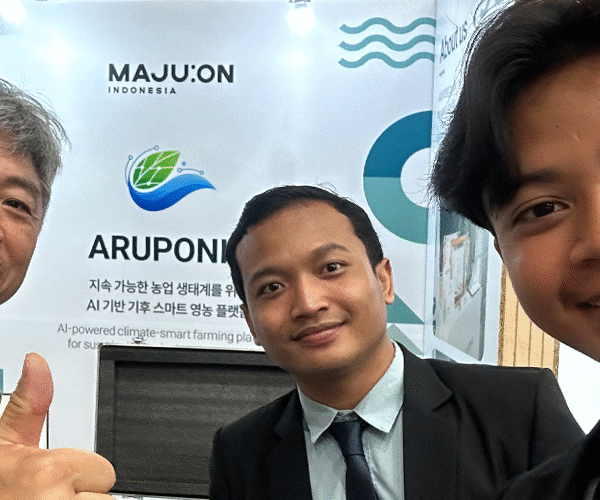
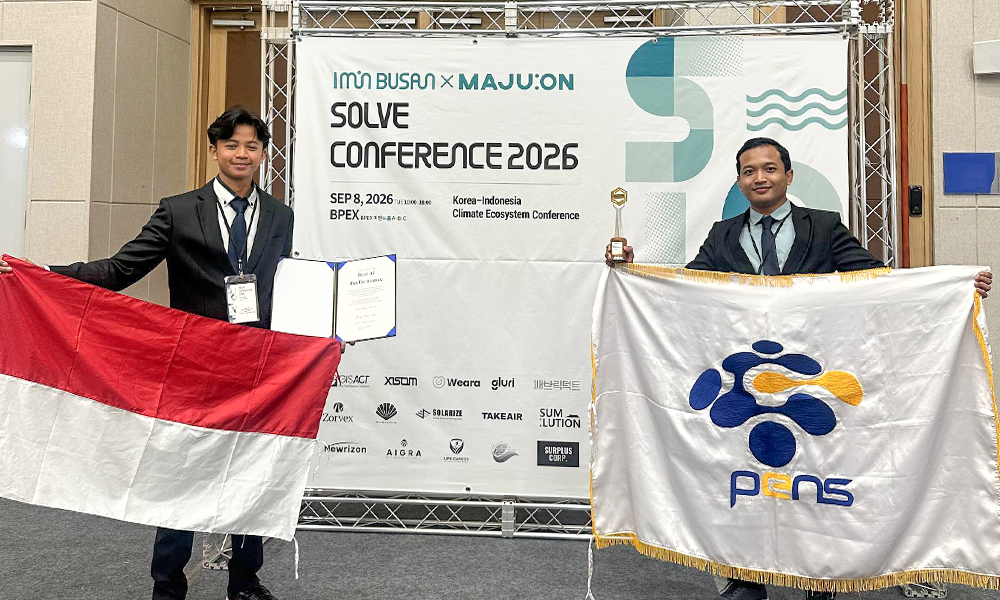
Stepping into the crisp September air of Busan, the first thing I remember was the city’s seamless integration of profound natural beauty and high-end technological infrastructure. For my co-founder, Saifullah Ahmad Musyanto, our VP of Engineering, and me, Dafit Ody Endriantono, as Founder & CEO, representing Indonesia at Climate SOLVE Week was a moment of both exhilaration and deep reflection. We traveled thousands of miles from Surabaya with a clear and urgent mission, which is to bridge the critical gap between advanced climate technology and grassroots urban farming. Standing amidst global innovators, I realized how far our team had come since we first joined the MAJU:ON, the youth entrepreneurship program run by SK Innovation E&S and UD Impact to support climate and energy startups in Indonesia.
Before MAJU:ON, we were primarily engineers tinkering in a university lab at the Politeknik Elektronika Negeri Surabaya (PENS), intensely focused on the technical perfection of our products. MAJU:ON was the catalyst that transformed us into true entrepreneurs, teaching us how to translate raw telemetry data into a compelling business case about operational transformation, cost savings, and tangible ESG impact.
| Why We Build: Shrinking Land, Growing Need
This focus on tangible impact is essential when you consider the reality we face back home. In Indonesia, rapid urbanization presents a dual escalating threat, namely the continuous shrinking of viable agricultural land and a pressing nutritional crisis that is most visibly manifested in high rates of child stunting. ARUPONIC was born out of a necessity to address this specific problem. We build smart, precision aquaponics systems designed to empower urban communities to grow their own organic food sustainably right in the heart of the city.
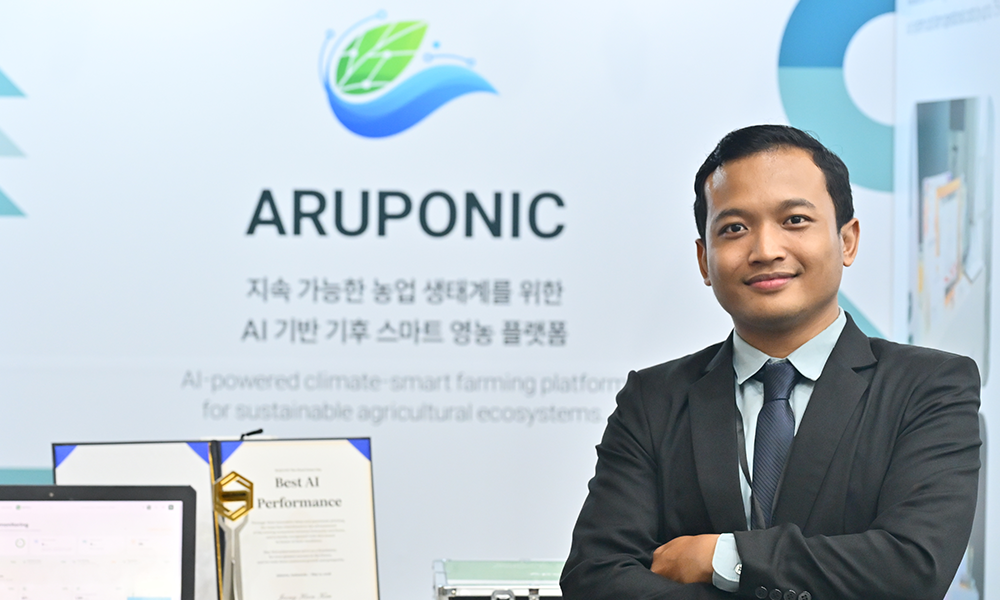
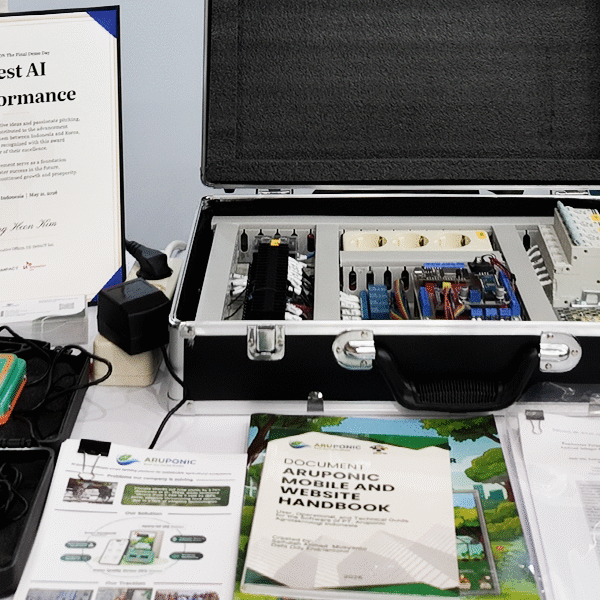
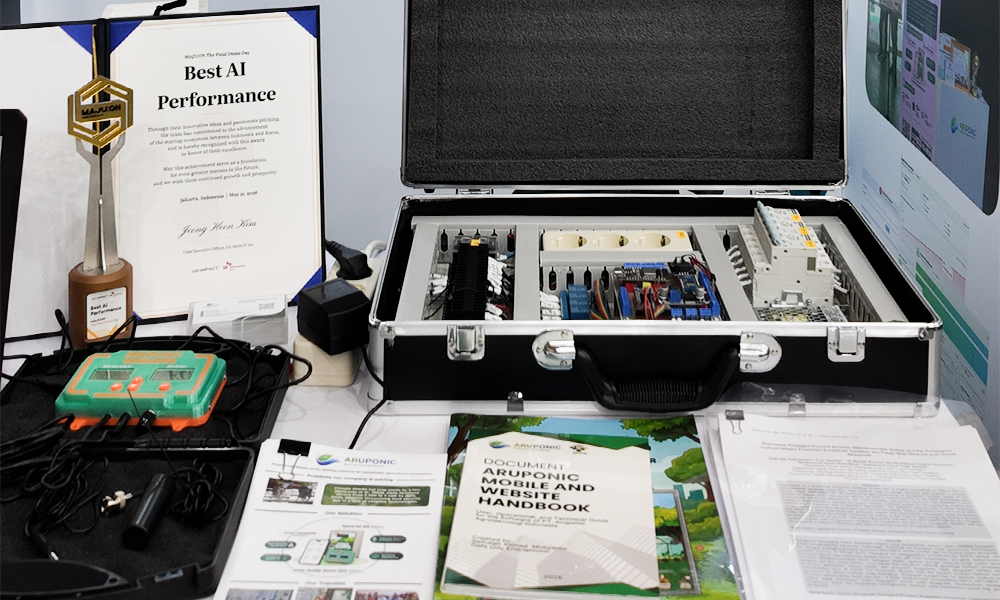
Bringing this vision to life, however, is far from simple. In a closed-loop ecosystem, a slight fluctuation in water chemistry can wipe out an entire harvest. That is where our technology comes in — a set of sensor stations and a companion app that automate the delicate balancing act of water quality, from pH to temperature.
Yet we quickly learned that even the best technology is not enough to empower farmers, who often struggle with uncertain market access. That is why we also run a Harvest Take Over program: we purchase the harvest directly and distribute it through our HoReCa partner network, so growers can focus on what they grow.
| What Busan’s Startup Ecosystem Showed Us
Carrying this comprehensive business model with us, we arrived in Busan and immediately experienced an eye-opening paradigm shift. What felt most strikingly different compared to the ecosystem we are familiar with in Indonesia was the hyper-focus on deep-tech validation and structured institutional support. The infrastructure designed to accelerate climate tech startups in Busan is incredibly robust and supportive of early-stage scaling, ranging from dedicated government-backed testbeds to immediate connections with bridging entities like the Busan Startup Investment Agency.
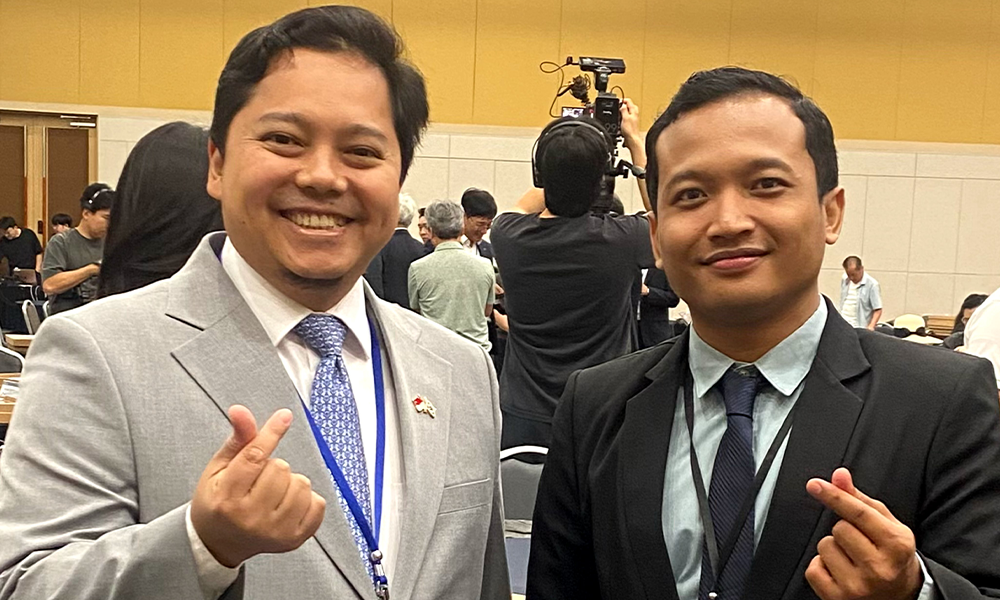
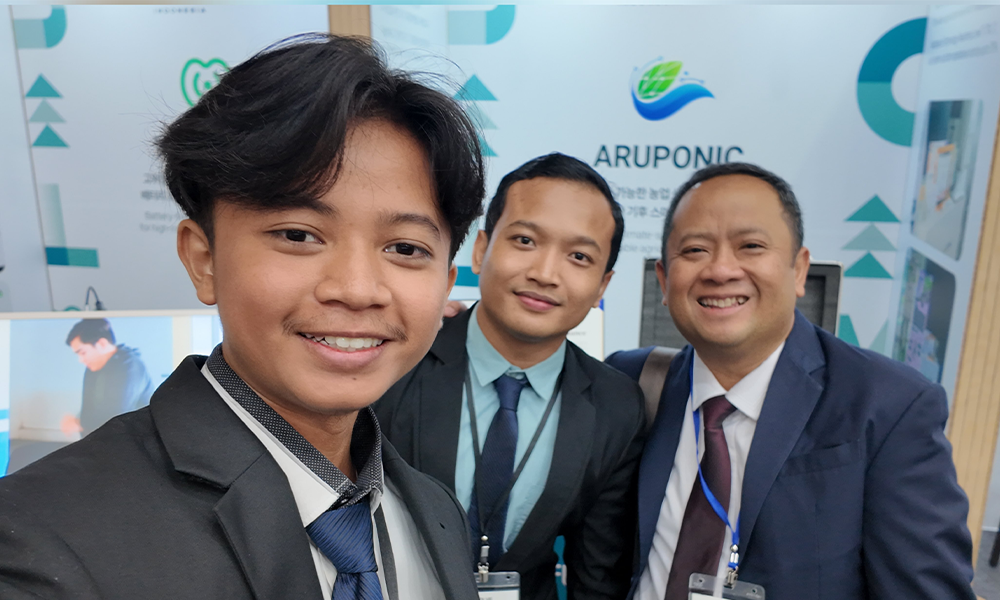
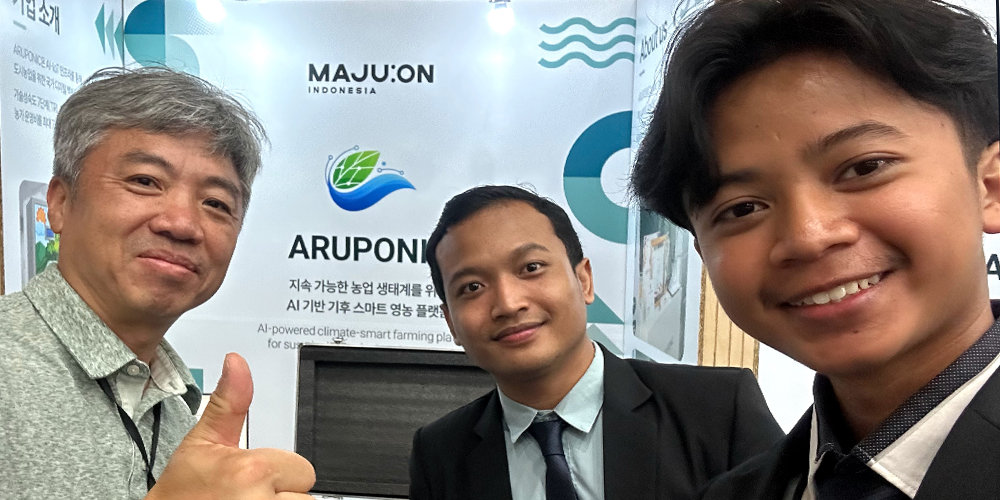
It was within this highly supportive environment during a networking session that a local investor asked a particularly challenging but immensely useful question. He asked how our system ensures continued food security if a sensor calibration drifts or breaks without the farmer knowing.
| Toward a Self-Healing Ecosystem
That single question pushed us to articulate our vision far beyond automation. We are not building standalone sensors — we are building a “Self-Healing Ecosystem” that tells farmers not only when the water is going wrong, but when the sensors themselves are starting to fail.
This vision of a self-monitoring, intelligent system tied perfectly into one of the most thought-provoking moments of Climate SOLVE Week. The conference keynote explored a critical dilemma regarding whether accelerating Artificial Intelligence, which inherently requires massive computing power, and addressing the climate crisis can truly go hand in hand. We believe that when applied with precision, AI is a net positive for the climate. We run our models on the device itself rather than on a distant cloud server — keeping our own digital footprint small, while predicting toxic ammonia spikes up to 28 hours in advance, early enough to act before any loss.
We would not have made it to Busan without the teams behind MAJU:ON at SK Innovation E&S and UD Impact, who took a chance on a group of engineers from a university lab in Surabaya and gave us a seat at a global table.
Merging our grassroots technology with the global insights gained in Korea has profoundly and permanently changed our team’s trajectory. We arrived looking for technical validation, but we are leaving with a new perspective. The problem we are passionately solving in Indonesia has undeniable global relevance. ARUPONIC is no longer just an Indonesian agritech project, but rather a scalable blueprint for urban food resilience anywhere in the world.
|
Author Information: Team and Solution Introduction: About ARUPONIC: |
■ Related articles

- SK Innovation E&S Hosts Climate SOLVE Week in Busan to Support Korean and Indonesian Young Entrepreneurs

- Young Innovators Take on Energy and Environment — Inside the MAJU:ON 2026 Final Demo Day

- SK Innovation E&S Nurtures Young Entrepreneurs in Indonesia’s Energy and Environment Sectors