Do you remember the story The Giving Tree? Does a real “giving tree” exist in nature?
Just like the tree that gave away its fruit, its branches, and even its shade without asking for anything in return, there is a tree that gives just as freely where the sea meets the land. It grows where the water is salty. It softens the crash of waves and slows the erosion of the shore. It offers a home to small fish, shrimp, and crabs.
This tree is called the mangrove.
Every year on July 26, UNESCO marks the International Day for the Conservation of the Mangrove Ecosystem. On this day, let’s take a moment to hear the story of the mangrove — a tree that has quietly protected coastlines, wildlife, and communities for generations.
| What Exactly Is a Mangrove?
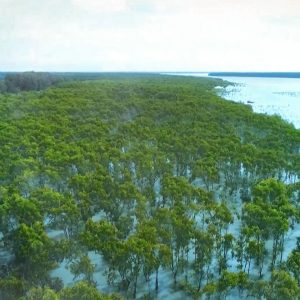
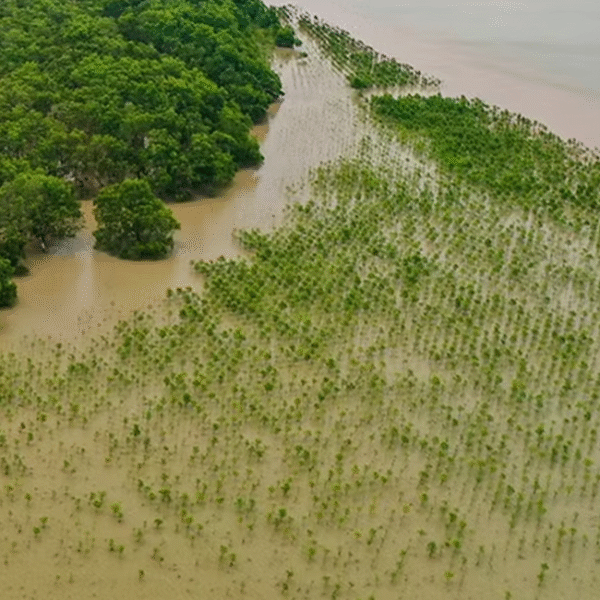
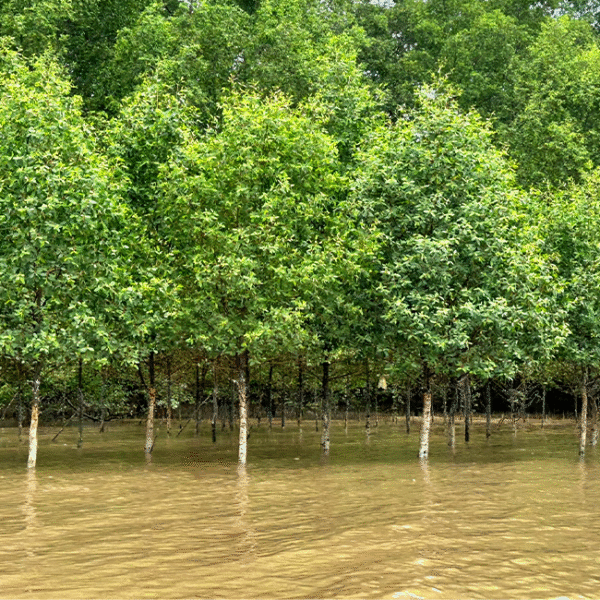
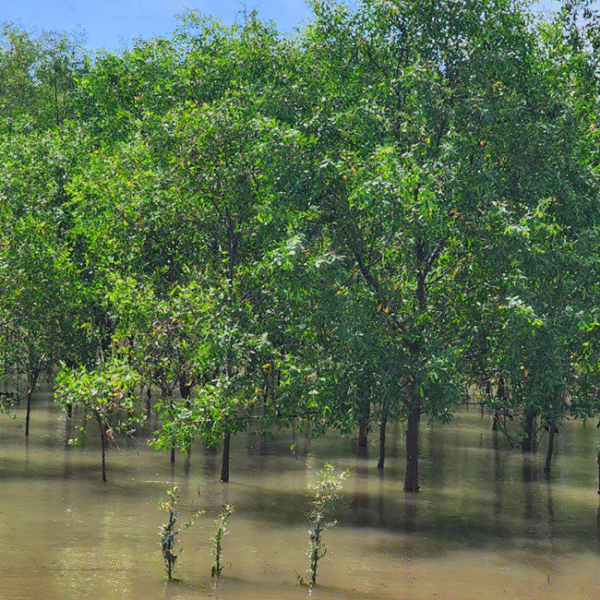
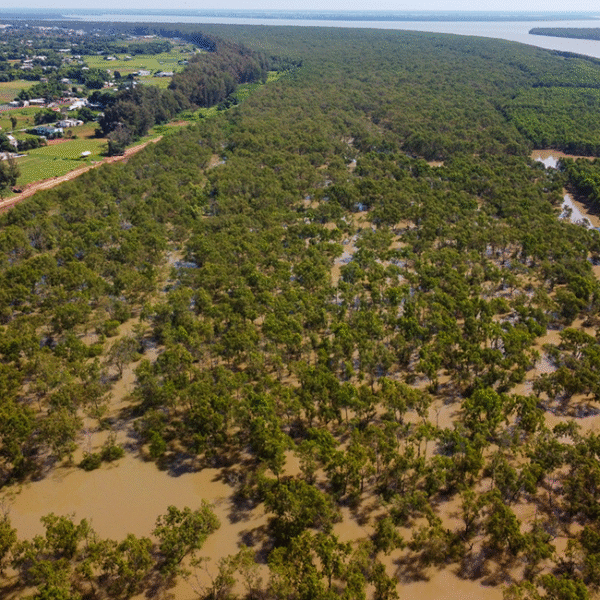
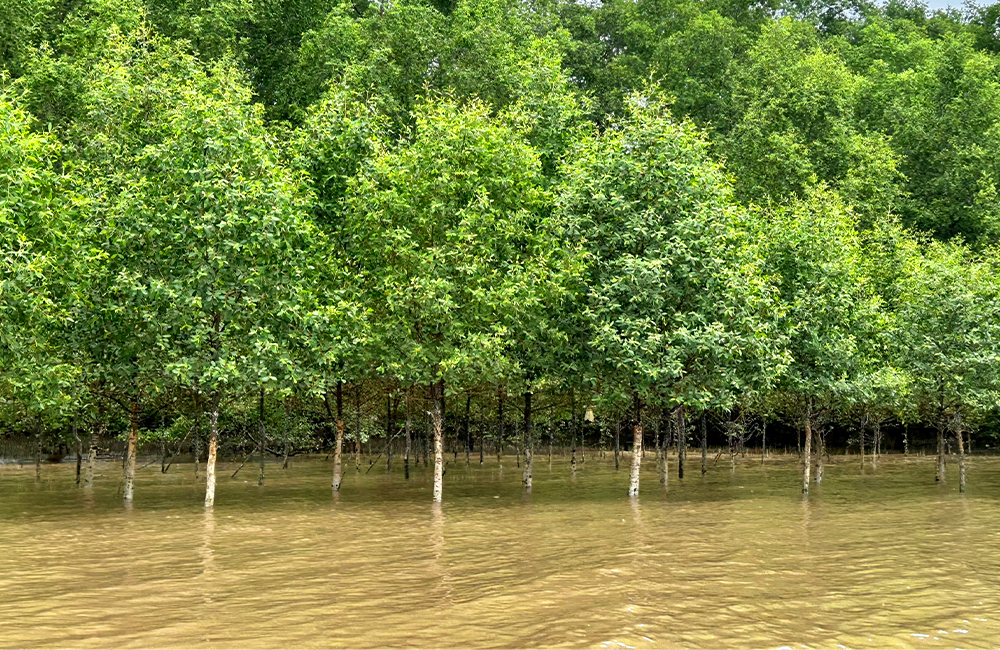
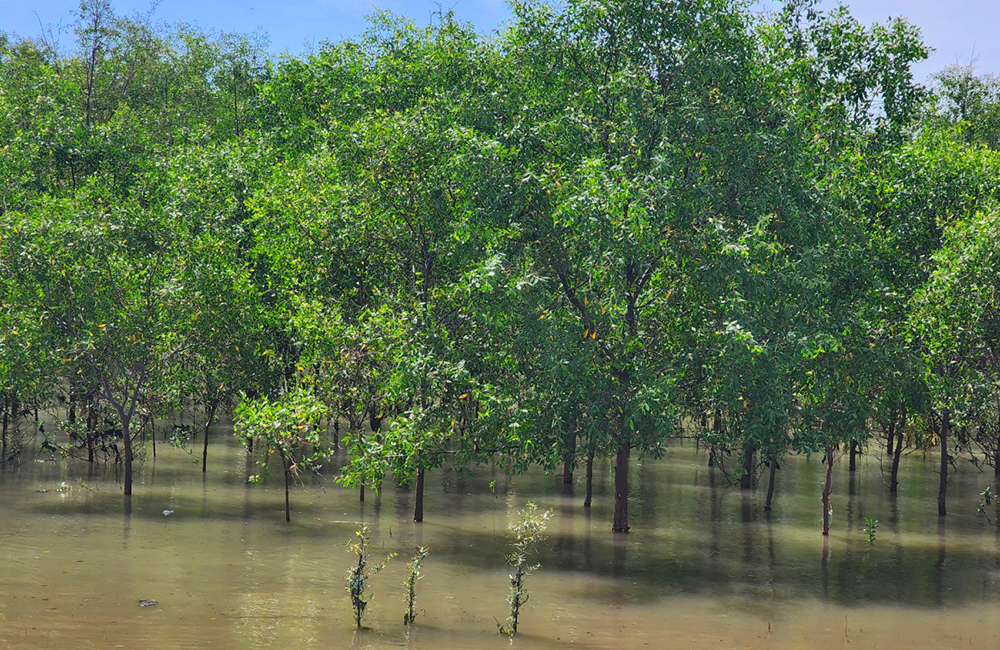
Mangroves are trees that grow along tropical and subtropical coastlines, in the places where saltwater and freshwater meet — river mouths, tidal flats, and lagoons.
It’s not an easy place to live. The soil is salty, oxygen underground is scarce, and the land is submerged and exposed again with every tide.
But mangroves have found remarkable ways to survive. Some filter out salt or release it through their leaves. Others send roots up above the ground to breathe. Their tangled root systems anchor the soft mudflats in place and soften the force of the water.
That’s why mangrove forests are often called “forests of the sea”.
| Four Gifts the Mangrove Gives Us
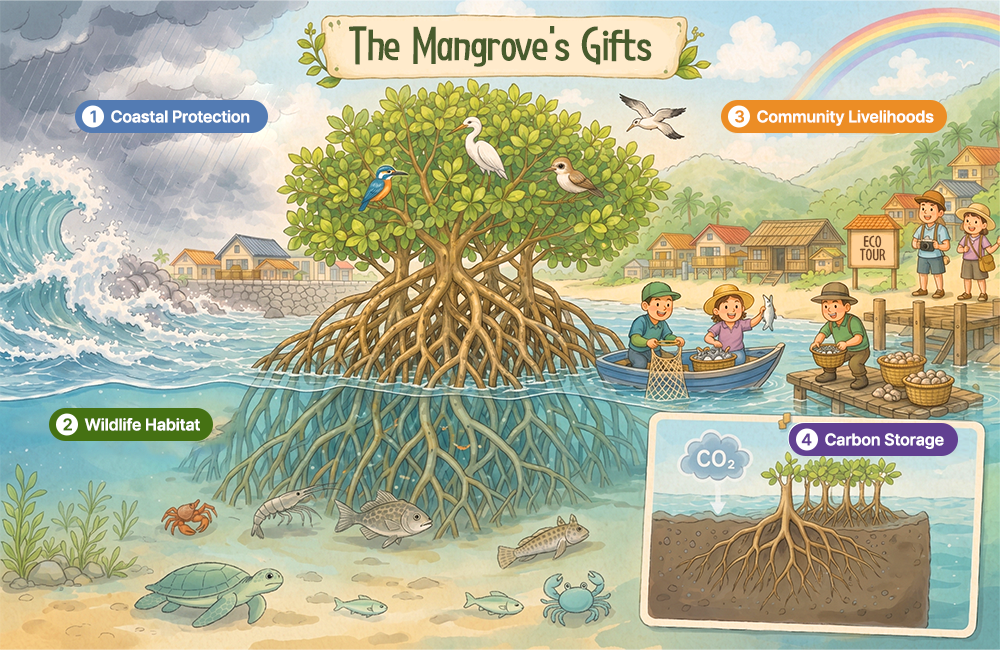
| Role | What the Mangrove Provides |
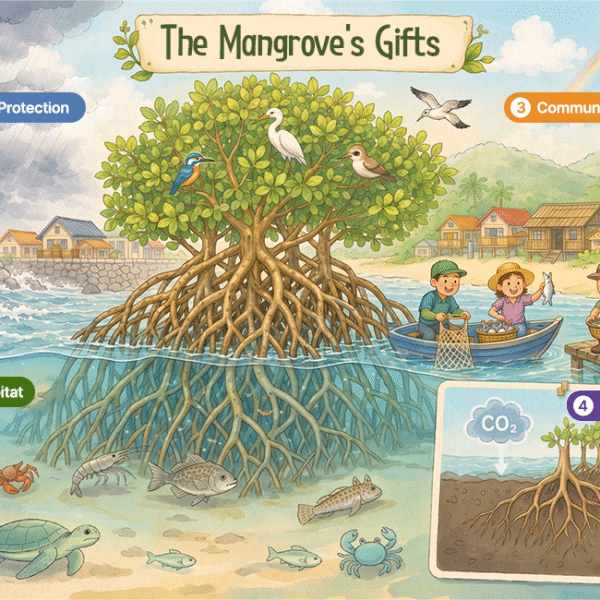
| Coastal protection | Roots and stems reduce wave energy and slow coastal erosion |
| Wildlife habitat | A nursery and breeding ground for fish, shrimp, crabs, and more |
| Community livelihoods | Supports fishing, aquaculture, and tourism for coastal communities |
| Carbon storage | Stores carbon in trees, roots, and coastal soil — a blue carbon ecosystem |
1. A Natural Breakwater That Protects the Coast
When powerful waves roll toward the shore, the mangrove’s dense roots and stems slow the water down and disperse its energy. They can’t stop a typhoon or a storm surge entirely, but they reduce soil erosion and act as a natural line of defense — protecting villages and the infrastructure people depend on.
2. A Home for Many Creatures
Among the mangrove’s tangled roots, countless creatures find shelter, and food is abundant enough to support the next generation of fish, shrimp, and crabs. Some mangrove forests around the world are even home to endangered species like Bengal tigers and proboscis monkeys. For birds, too, these forests are a place to feed and rest.
3. A Source of Livelihood
The rich life that mangroves nurture flows directly into local fishing and aquaculture. In some regions, mangrove ecosystems even support tourism. Protecting mangroves, in many ways, means protecting the livelihoods of coastal communities.
4. Nature’s Carbon Keeper
Mangroves store carbon not just in their trunks and roots, but in the waterlogged soil and sediment beneath them. This carbon captured and stored by coastal ecosystems — mangroves, salt marshes, and seagrass meadows — is known as blue carbon.
| But Mangrove Forests Are Disappearing
Despite everything they give us, mangrove forests are being damaged by aquaculture and farmland development, logging, coastal urbanization, and pollution. Climate change — through rising sea levels and coastal erosion — is putting even more pressure on the spaces where mangroves live.
As mangroves disappear, the natural defenses protecting our coastlines grow weaker. Habitats for fish, shrimp, and crabs vanish. Local communities that depend on mangroves for their livelihoods are affected too. And carbon once safely stored in the forest and soil risks being released back into the atmosphere.
The tree that once gave so freely is now the one that needs our help.
| SK Innovation Begins Planting Mangroves
Restoring damaged nature is known as a Nature-based Solution (NbS) — an approach that harnesses nature’s own resilience to address climate change and biodiversity loss.
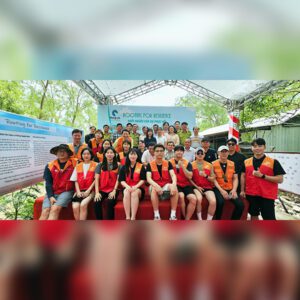
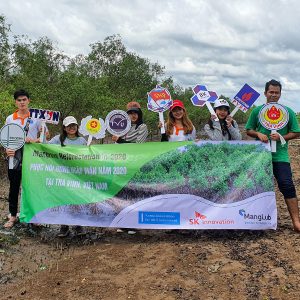
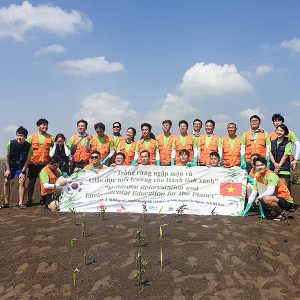
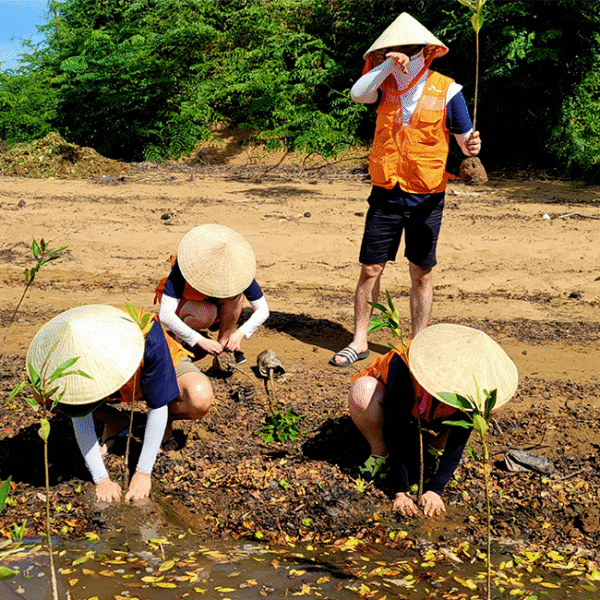
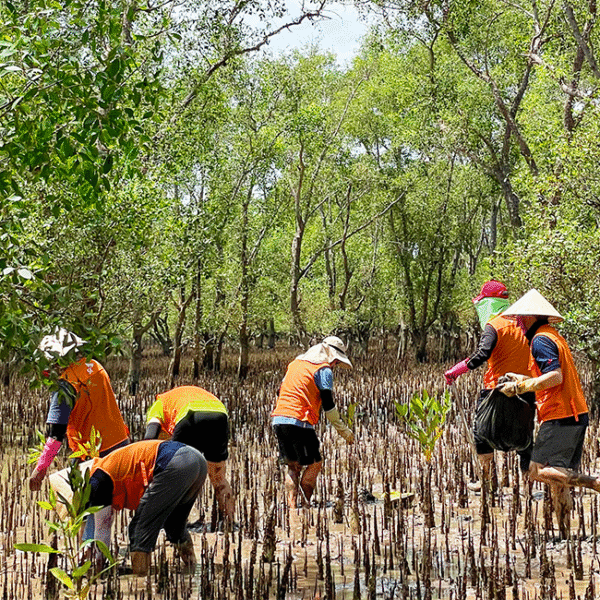
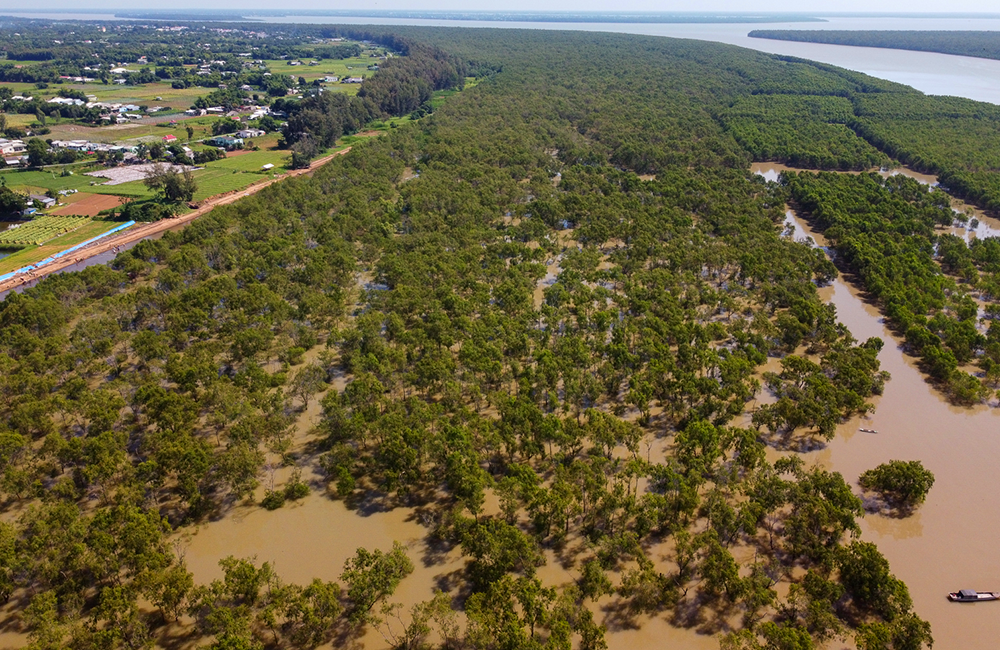
Since 2018, SK Innovation has been restoring mangrove forests, primarily in Vietnam. Working alongside local governments and communities, the company has planted and cared for mangroves while also conducting environmental education and managing restoration sites.
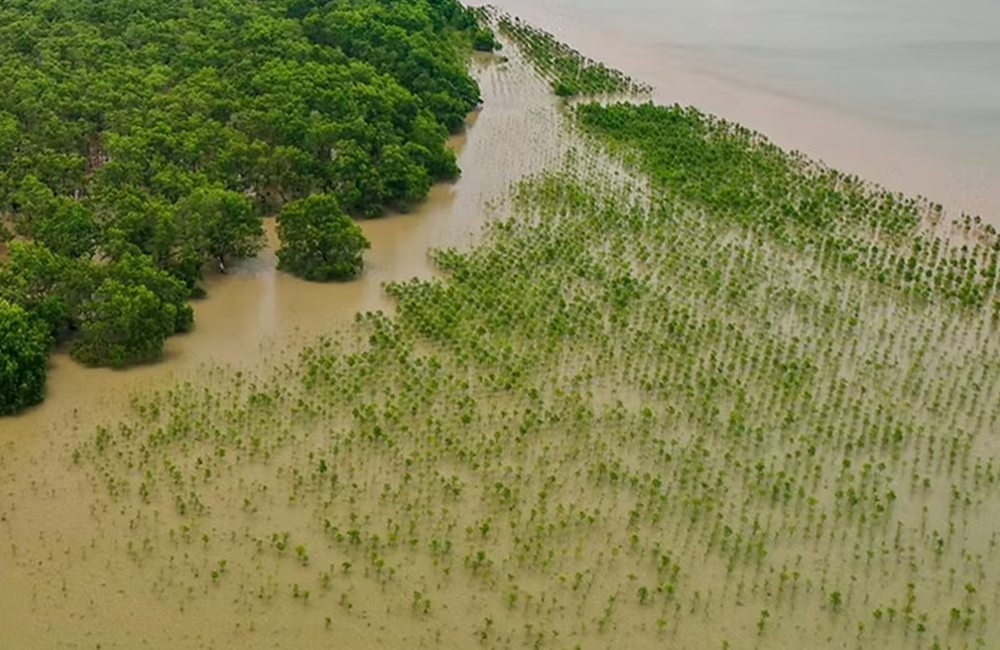
Across Vietnam, Myanmar, Malaysia, and Fiji, SK Innovation has restored a cumulative 249 hectares of mangrove forest to date.
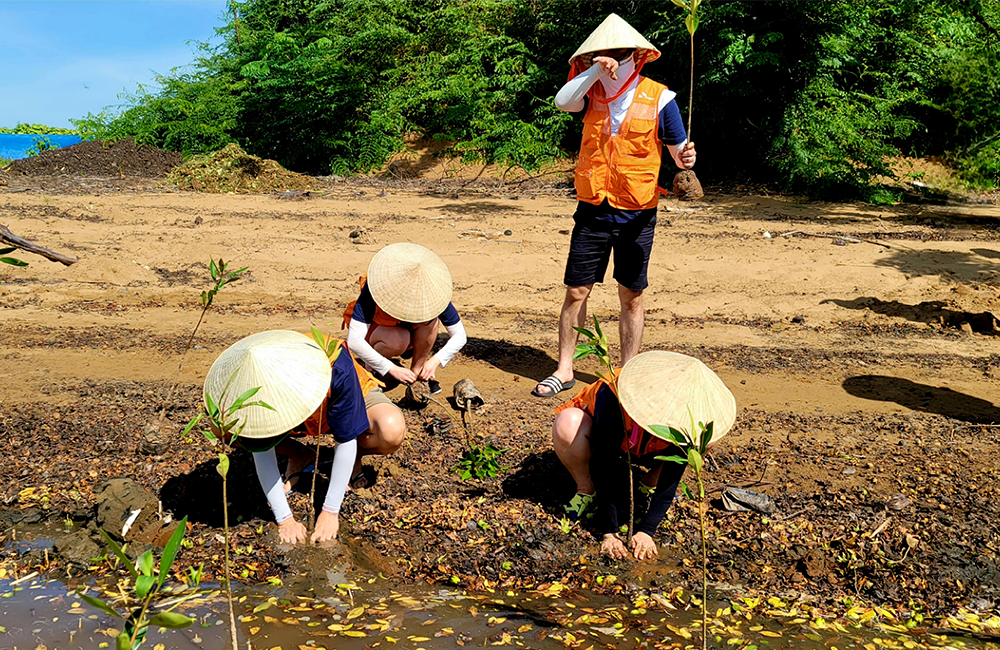
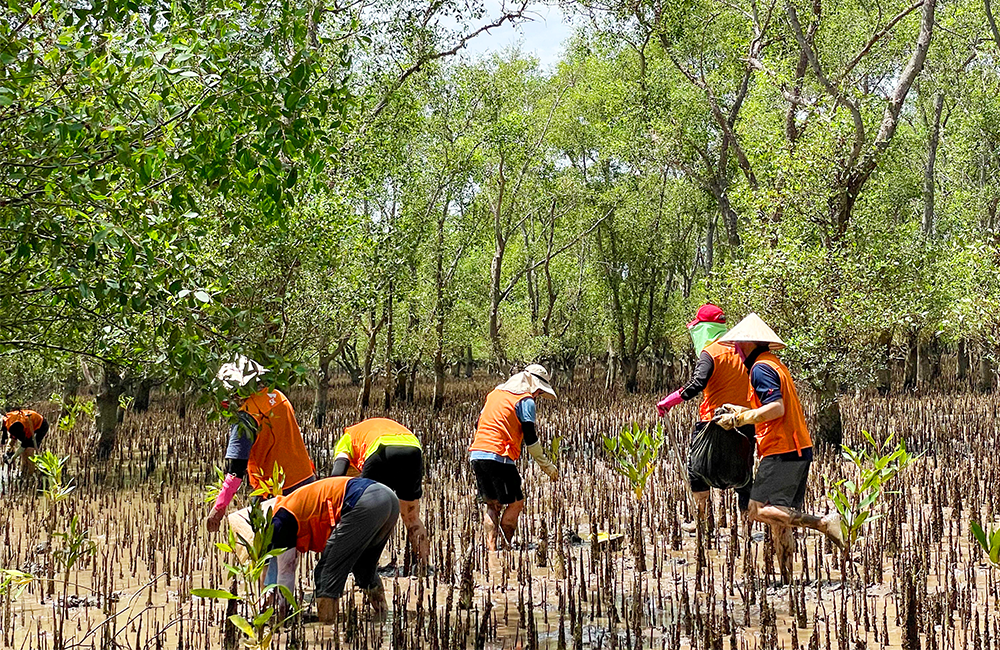
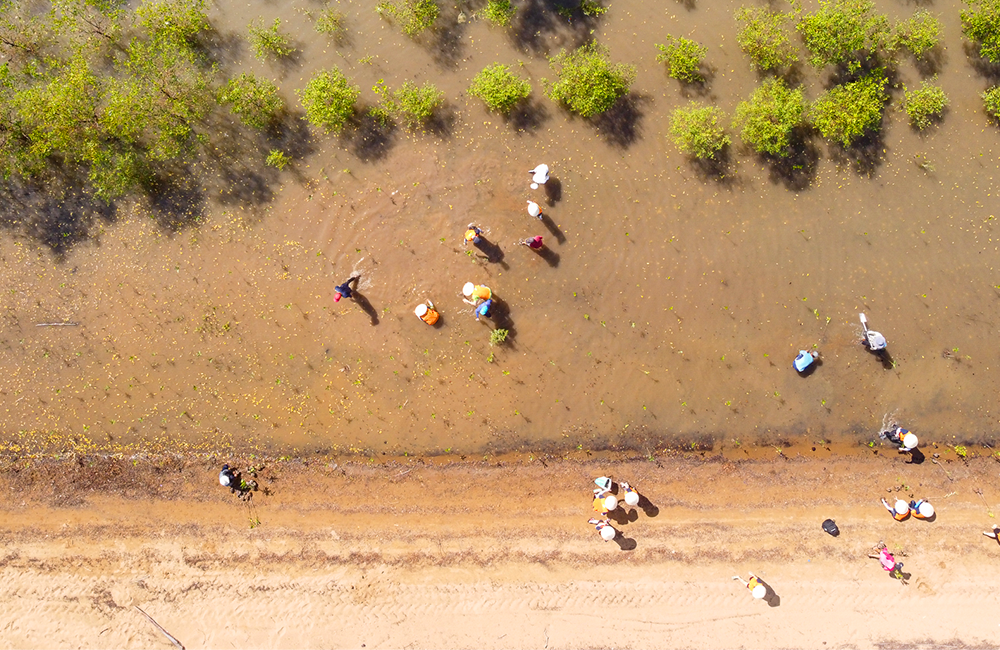
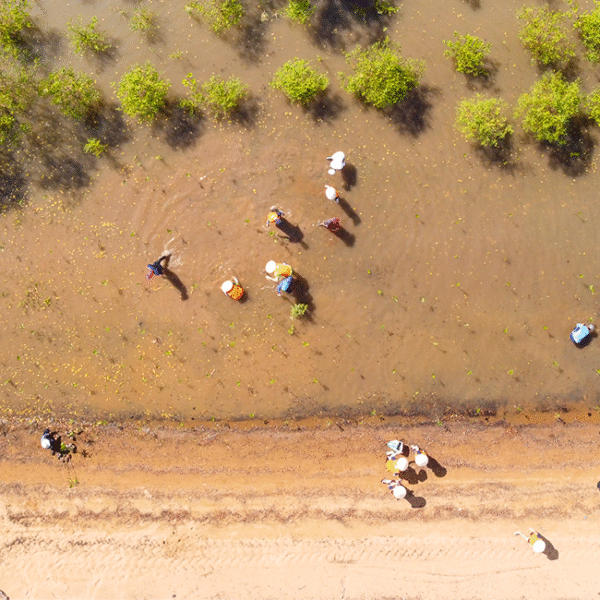
In 2026, SK Innovation will plant about 120,000 mangrove saplings across three regions in Vietnam — Vinh Long and Can Tho provinces — creating 45 hectares of new forest. Each region will be planted with species suited to its soil, water quality, and tidal conditions, with ongoing monitoring of sapling survival and growth after planting.
By 2030, the company plans to restore an additional 150 hectares across Vietnam, systematically tracking progress through carbon reduction methodologies and biodiversity footprint assessments.
Restoring a mangrove forest doesn’t end with planting a tree. It’s a long-term commitment — caring for each sapling until it takes root and grows into a forest. Just as important is working alongside local communities, so they can take part in the restoration process while sustaining stable livelihoods that protect the forest for the long run.
| It’s Our Turn to Give Back to the Giving Tree
For a long time, mangroves have given us so much. A place to hide for small fish. A home for shrimp and crabs. A resting place for birds. A foundation for the livelihoods of coastal communities. When the waves grew fierce, mangroves stood as a shield for the shore. And beneath the surface, they quietly stored carbon — preparing a better tomorrow for our planet.
Now, it’s our turn to care for the mangrove.
A single tree may seem small. But many trees together become a forest — and a forest becomes a force that protects the sea, the people, and the planet together.
To the mangrove that has given so freely, it’s time for us to give back.
When mangroves grow again, the sea, the people, and the planet grow with them.
■ Related articles

- SK Innovation to Restore Vietnam’s Mangroves, Matching 420 Soccer Fields by 2030

- SK Innovation’s Mangrove Reforestation Project creates both economic and environmental values with new model