1. From Manufacturing Base to Energy Partner: Korea’s New Strategic Vision for Vietnam
Vietnam is no longer simply a country where factories are built. As the agenda for Korea-Vietnam cooperation expands beyond manufacturing into energy, infrastructure, and technology, Vietnam has emerged as a market that Korean companies now view through two lenses simultaneously: a production base and a future infrastructure market. The growing potential for collaboration in areas such as power generation, LNG, data centers, and AI infrastructure—sectors that form the foundation of national competitiveness—makes this shift particularly significant.
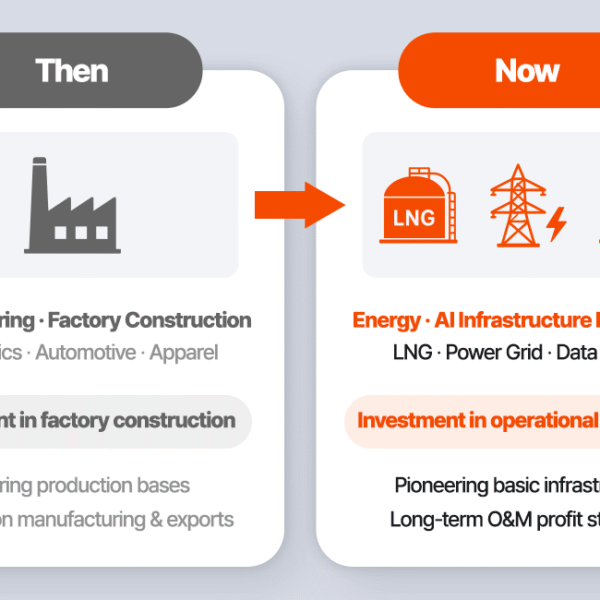
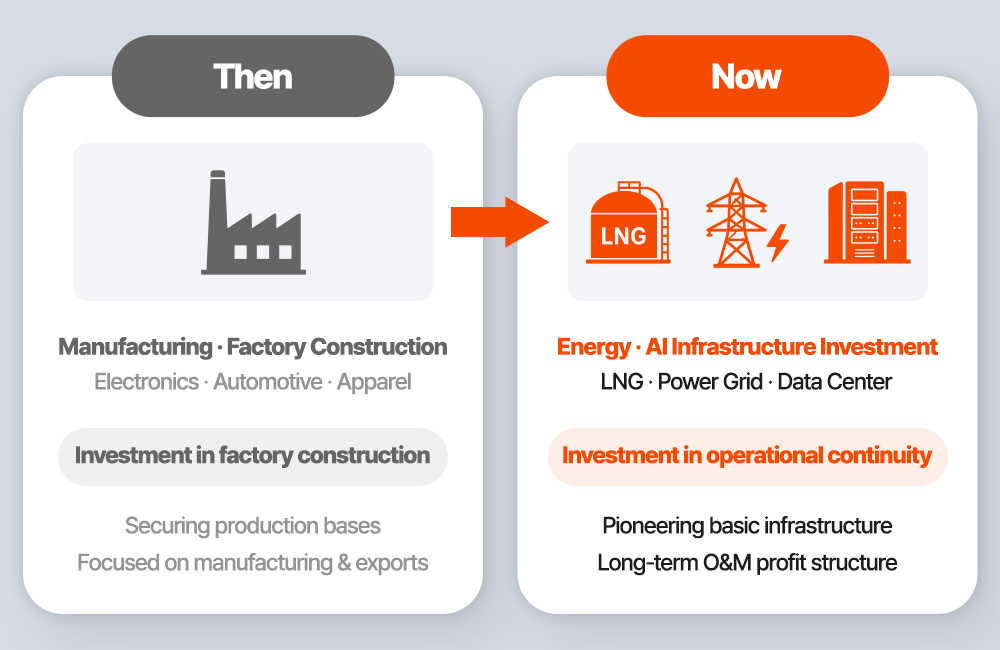
The direction of Korean investment is changing accordingly. Where the focus was once on manufacturing, electronics, and automotive industries, the center of gravity has shifted toward long-term foundational infrastructure: power grids, LNG, renewable energy, AI, and data centers. This is not simply business diversification. It reflects a deliberate strategy to secure an early position in the essential building blocks that Vietnam will need most as its industries advance.
Put simply, if past investment was about building factories, today’s investment is about ensuring those factories never lose power—laying the electricity, fuel, and digital infrastructure that keeps everything running. As industries grow, power becomes scarcer before land does. As the data economy expands, stable power supply becomes the most critical prerequisite of all. In this light, Korean companies’ energy investments in Vietnam represent a strategically well-timed commitment.
2. No Power, No AI: Vietnam’s Energy Golden Window
The reasons behind the current surge of investment in Vietnam’s digital, AI, and energy infrastructure are clear. Vietnam is undergoing rapid industrialization, urbanization, and digital transformation all at once, pushing power demand into a phase of sustained structural growth. AI, cloud computing, and data center industries require a stable and substantial supply of electricity to grow, making energy infrastructure expansion not a matter of choice, but of necessity.
Vietnam’s data center market, valued at approximately USD 654 million in 2024, is projected to grow at a compound annual rate of around 17% through 2030. Aligned with the country’s national AI strategy, demand for related infrastructure is expected to expand significantly. The prerequisite for all of this digital ambition is reliable power. AI and cloud computing are, at their core, enormous consumers of electricity—digital industries without power infrastructure are built on sand. Data centers, densely packed with servers, semiconductors, and cooling systems, are highly vulnerable to power instability; even minor disruptions can lead to service outages and significant economic losses. In other words, the AI industry may appear intangible and invisible, but in reality, it is a power-hungry industry—one that stops the moment the electricity goes out. As generative AI tools become mainstream, the power consumption of data centers will grow exponentially. For Vietnam to evolve beyond its role as a post-China manufacturing hub and emerge as a digital economy, it must first build the energy infrastructure to support that ambition—before the advanced factories, before the data centers.
Vietnam’s power and energy infrastructure development is therefore far more than a matter of supply and demand. It is the construction of an energy backbone on which an entire digital economy depends. Under its eighth National Power Development Plan (PDP8), the Vietnamese government plans to expand installed power generation capacity from 89GW in 2025 to approximately 150GW by 2030, and has committed to raising the share of renewable energy to between 67.5% and 71.5% by 2050. To achieve this, an estimated USD 800 billion in investment is expected to be deployed by 2050—making this a wide-open golden window of market opportunity across the entire energy spectrum.
For those who move early, the rewards may be lasting. Companies that proactively establish generation capacity, fuel supply, and grid-connected infrastructure during this period stand a strong chance of becoming key partners in Vietnam’s industrial growth for decades to come.
3. Those Who Read the Geography Win the Market
Succeeding in Vietnam’s energy market requires more than capital. It demands an understanding of where industrial zones are located, how maritime logistics flow, what fuel import conditions look like, and where power demand is most concentrated. In this context, the strategy pursued by Korean companies—building coastal energy infrastructure and connecting it to inland industrial belts—is both pragmatic and efficient.
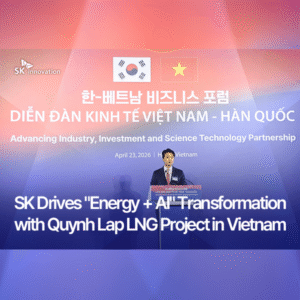
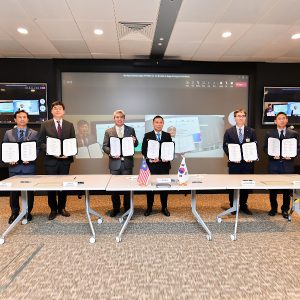
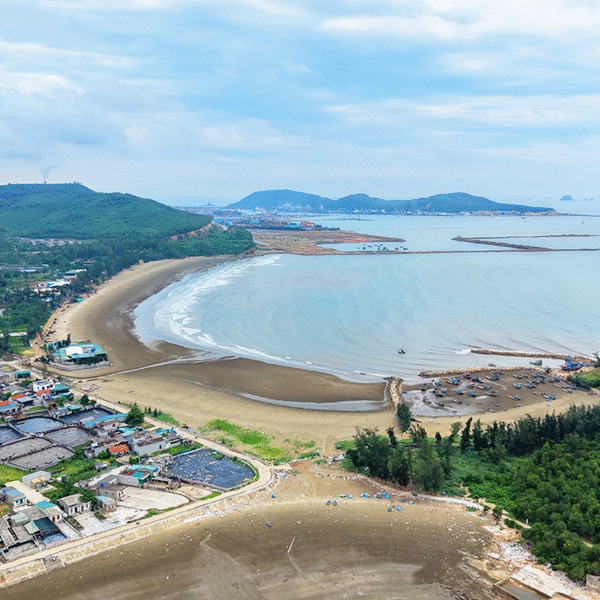
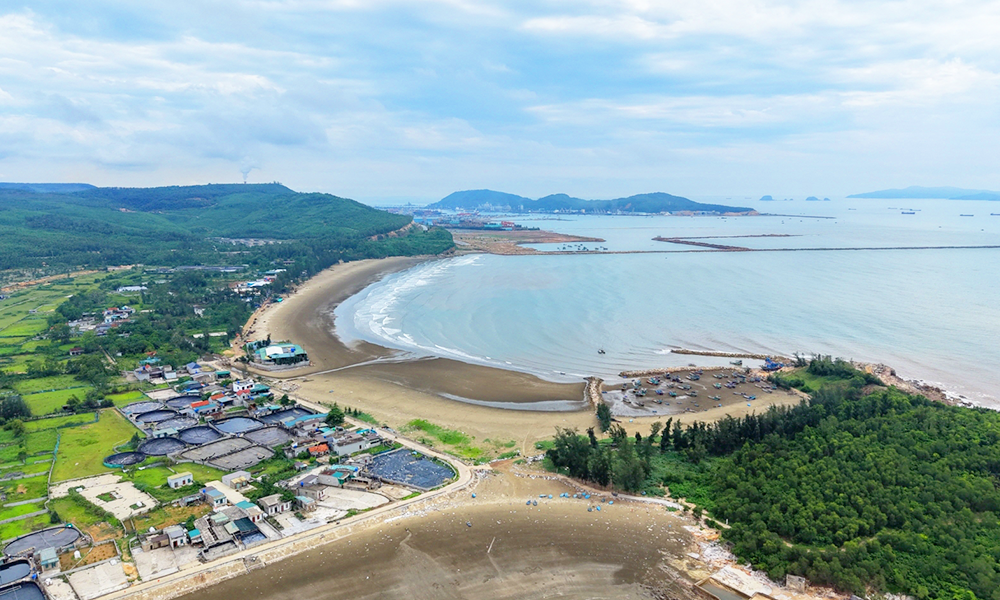
A clear embodiment of this strategy is the Quynh Lap LNG combined-cycle power plant project in Nghe An Province, being developed by a consortium of SK Innovation, PV Power, and NASU. Located approximately 220 kilometers south of Hanoi, the project encompasses a 1,500MW gas-fired combined-cycle power plant, a 250,000m³ LNG terminal, and a dedicated port capable of accommodating vessels of up to 150,000 tons. Total project investment is estimated at approximately USD 2.3 billion, with construction targeted to begin in 2027 and commercial operations to commence in 2030.
What distinguishes this project is that it goes beyond building a power plant. It creates an integrated infrastructure chain—importing LNG, storing it, and converting it to electricity—all within a single connected system. The analogy is instructive: rather than acquiring just an engine, this project delivers the fuel tank, the refueling network, and the road on which the vehicle can actually run. Energy infrastructure is never complete with generation capacity alone; fuel supply and logistics must be designed together for the system to be truly competitive.
SK Innovation has also highlighted its integrated LNG value chain model, in which gas sourced directly from its global upstream assets is transported on its own fleet, processed at its own terminal, and converted to power at its own plant. This vertical integration simultaneously strengthens fuel supply stability and price resilience—qualities that become increasingly valuable as international energy markets grow more volatile. Controlling the full supply chain from upstream development to power generation is not just a commercial advantage; it represents a form of energy sovereignty, insulating the operator from external disruptions.
4. What Both Sides Stand to Gain
For Vietnam, investments of this nature address a chronic challenge: alleviating persistent power shortages while gradually diversifying away from a coal-heavy generation mix. LNG combined-cycle plants are not zero-carbon like renewables, but they emit significantly less carbon than coal and offer greater output flexibility—an operational advantage for grid management. More broadly, LNG is being reassessed not merely as a transitional bridge fuel, but as a partner fuel capable of reliably meeting surging power demand. Its ability to complement the intermittency of renewables while supporting large-scale, stable power supply makes LNG combined-cycle generation a strategic asset that Vietnam’s energy transition cannot afford to overlook.
The industrial implications are equally significant. Stable, high-quality power supply is a prerequisite for attracting industries that are sensitive to power reliability—AI data centers, smart logistics, and advanced manufacturing. The energy-industry cluster model, known as the Specialized Energy-Industry Cluster (SEIC), envisioned for the Quynh Lap project goes beyond selling electricity. It aims to attract an entirely new industrial ecosystem built on that power foundation. If the power plant is “the heart”, then the data centers and logistics hubs are “the muscles” that move with the energy it pumps. Just as a strong “heart” is essential for the body to function, a stable power base is what allows industry to take root.
Korea, too, stands to gain considerably. Beyond a single engineering, procurement, and construction contract, Korean companies can secure long-term business foundations spanning fuel procurement, port and terminal operations, power generation, and ongoing operations and maintenance. This creates a platform through which Korea’s energy engineering capabilities can extend into emerging markets—and beyond individual corporate returns, it opens the door for Korea’s small and medium-sized equipment manufacturers and operational service providers to expand together, building what might be described as a K-Energy ecosystem. Energy networks, once established, operate for decades—making the strategic and financial value of early-mover positioning far greater than the initial investment alone.
5. Architecting Emerging Asia’s Energy Future
In the emerging markets of the future, the greatest opportunities will likely go not to companies that simply export equipment, but to those capable of designing energy systems aligned with each country’s unique growth path. In the AI era, power demand is rising rapidly and energy security is gaining renewed importance—making integrated strategies that connect power infrastructure with industrial development more valuable than building any single plant in isolation.
The Quynh Lap LNG project carries considerable symbolic weight in this regard. It represents an attempt to address Vietnam’s power security, support its low-carbon transition, foster regional industrial development, and expand AI infrastructure—all within a single project framework. The vision of linking a data center and smart logistics hub to the power plant site illustrates clearly that energy infrastructure is, increasingly, the foundation of the digital economy.
Also noteworthy is the active support of local government authorities in Vietnam, who are working to facilitate early construction by streamlining permitting, land compensation, and regulatory procedures. For large-scale infrastructure projects, administrative momentum and institutional backing can be as decisive as technical capability—and this project appears to have both.
Ultimately, what is unfolding in Vietnam today is not simply another overseas business venture. It is a defining test of who will shape the industrial and energy order of emerging Asia in the decades ahead.
■ Related articles

- SK Innovation Breaks Ground on USD 2.3 Billion LNG Power Project in Nghe An, Vietnam

- SK Drives “Energy + AI” Transformation with Quynh Lap LNG Project in Vietnam

- SK Innovation to Lead USD 2.3 Billion LNG Mega Project in Vietnam

- SMRs: A Game Changer for Powering the AI Era

- All-Solid-State Batteries: A Game Changer Shaping the Future of the Electric Vehicle Era