💡 Quick Summary
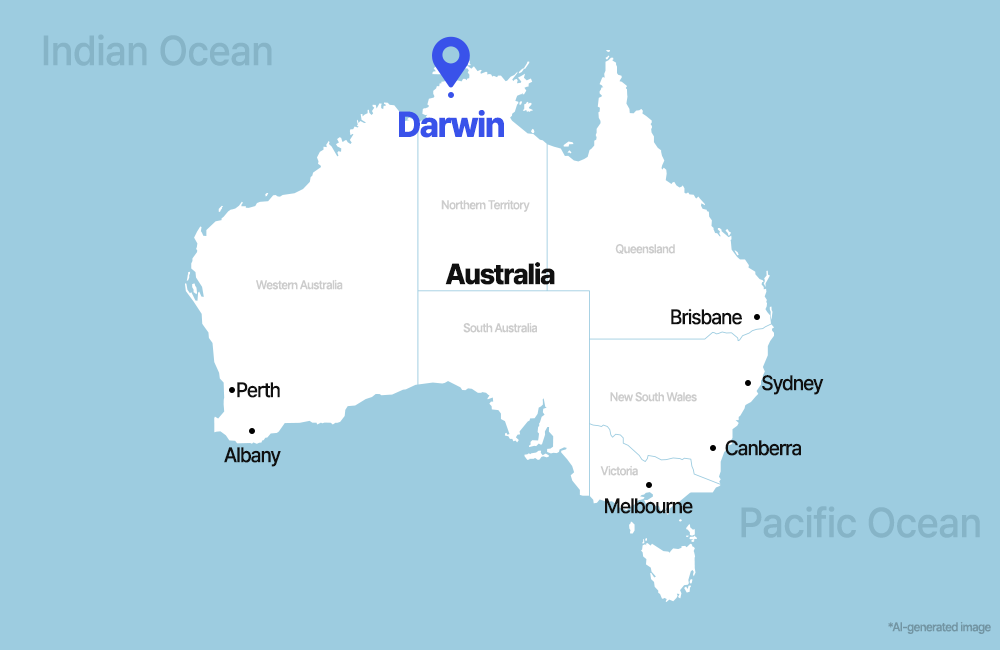
- Australia’s front door to Asia: Darwin sits at the top of the continent, closer to Jakarta than to Sydney. Locals fly to Bali for a long weekend. That quirk of geography is now redrawing Asia’s energy map.
- Strategic distance: about 8 days to Korea, less than half a conventional long-haul LNG voyage. Lower costs, fewer emissions, and room to move when markets turn. In an era of standing geopolitical risk, distance is strategy.
- From pearl divers to a full value chain: 14 years after joining the Barossa project, SK Innovation E&S has carried it through to power generation at home — 1.3 million tons of LNG a year, about 3% of South Korea’s imports, secured for the next 20 years.
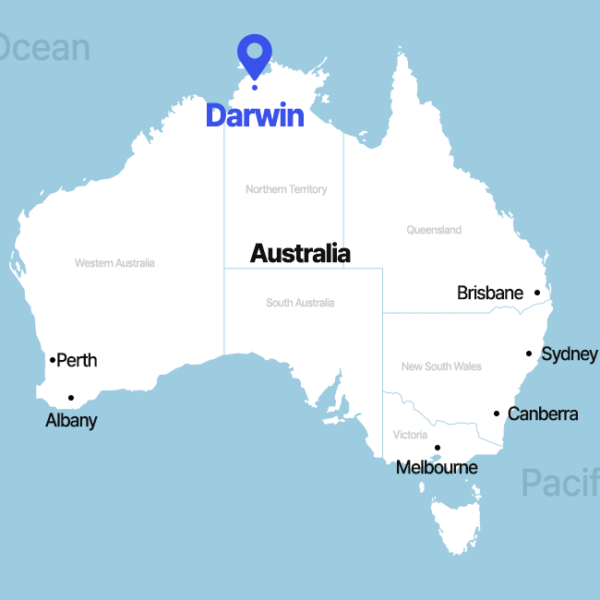
Say “Australia” and most people picture Sydney, Melbourne, or Brisbane. Ask them to find Darwin on a map, and most will hesitate.
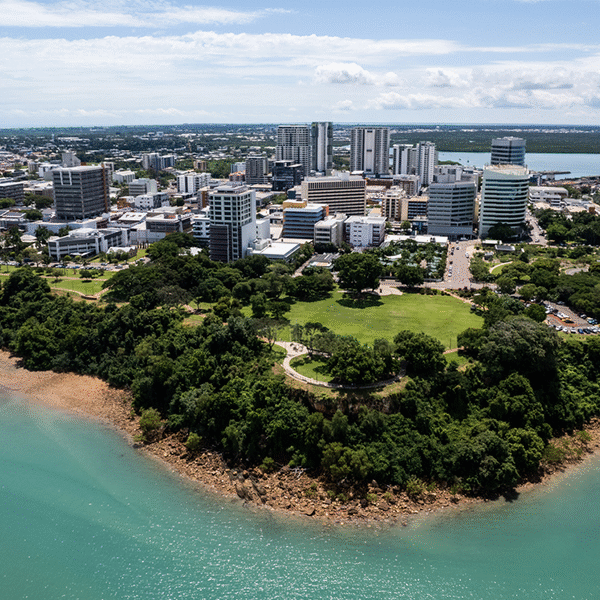
Even Australians think of Darwin as the far end of the country — a four-hour flight from Sydney, straight up the spine of the continent. Yet glance at the departures board at Darwin International Airport and something feels slightly out of place. Jakarta, Singapore, and Dili share the screen with domestic routes. For a long weekend, plenty of locals skip Sydney altogether and fly to Bali. The neighboring island is simply closer than their own big cities.
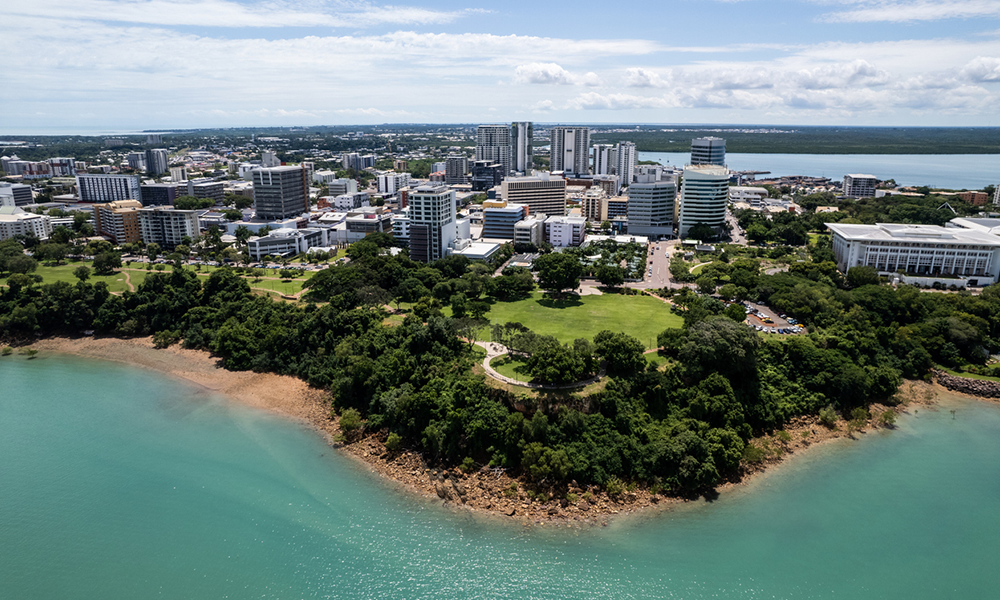
This is the Top End — the northernmost edge of Australia’s Northern Territory, and Darwin is its capital. Politically Australian, geographically Asian, the city has spent its entire history facing north. Long before anyone drew an energy map, it had already earned a nickname: the Gateway to Asia.
Today, Darwin is becoming a gateway in a different sense — a gateway for the liquefied natural gas (LNG) that keeps the lights on across Asia. So how did a remote port of roughly 150,000 people end up on the front line of the Asia-Pacific energy supply chain? Part of the answer lies in the ground beneath the Timor Sea. The rest lies with SK Innovation E&S.
| How Garramilla, the Place of White Rock, Became Darwin
The name “Darwin” sounds familiar for a reason. It does come from Charles Darwin, the naturalist who gave the world the theory of evolution. What’s odd is that Darwin himself never set foot here.
Nor was “Darwin” this land’s first name. For tens of thousands of years, the Larrakia people — the region’s Traditional Owners — knew this harbor as Garramilla, “white rock,” after the pale stone along its shoreline. In 1839, when the British survey ship HMS Beagle charted the harbor, her crew named it Port Darwin in honor of a former shipmate who had sailed with them years earlier. That shipmate was Charles Darwin.
What first put this quiet inlet on the world’s maps was treasure pulled from the seabed. From the late 19th century, Darwin became a major center of northern Australia’s pearling industry. Divers came from across Asia — Japan, Malaya, the Philippines, the islands of what is now Indonesia — holding their breath and descending into the dark. The harbor filled with their boats and their languages. Darwin’s long-standing openness to Asia begins here, not in any trade agreement.
Then, in February 1942, it stopped. Japanese aircraft struck Darwin in a massive bombing raid — one of the very few times the Australian mainland was attacked directly by a foreign military. The city was rebuilt, and rebuilt again decades later after a cyclone finished what the bombs had started. The Darwin standing today is the product of both.
More than a century on, Darwin’s waters still send treasure to the surface. Only the treasure has changed. Gas drawn from deepwater fields in the Timor Sea is now chilled into LNG and shipped north to Korea, Japan, and beyond. And among the partners who spent years turning that resource into reality is SK Innovation E&S.
| Why SK Innovation E&S Chose Darwin
The answer is on the map.
An LNG carrier takes roughly 18 to 20 days to sail from Qatar, in the Middle East, to Korea. From Darwin to Boryeong, on Korea’s west coast, the voyage takes 8 to 10.*
Cutting a journey by more than half does more than save fuel and emissions. It buys time — the ability to respond when demand spikes or a market turns. With geopolitical risk now a permanent fixture, from the war in Ukraine to tension across the Middle East, how many days away your energy sits is a competitive advantage in itself.
*Voyage times are estimates derived from standard route distances in nautical miles and average LNG carrier speeds of roughly 15–19 knots. Actual transit times vary with weather, port congestion, and canal transits.
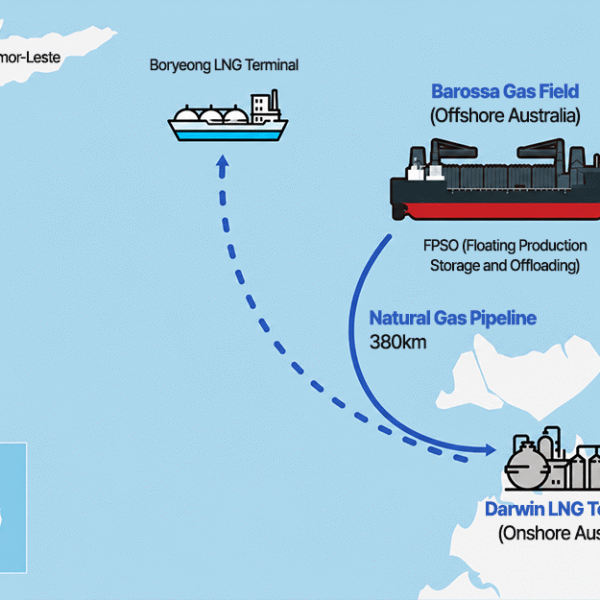
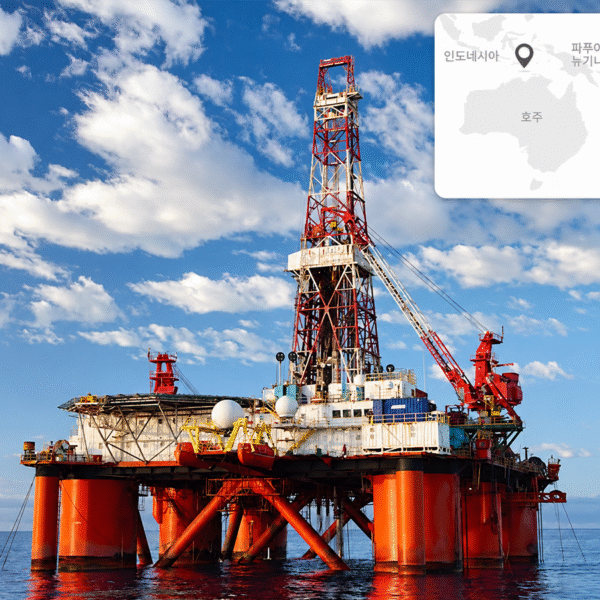
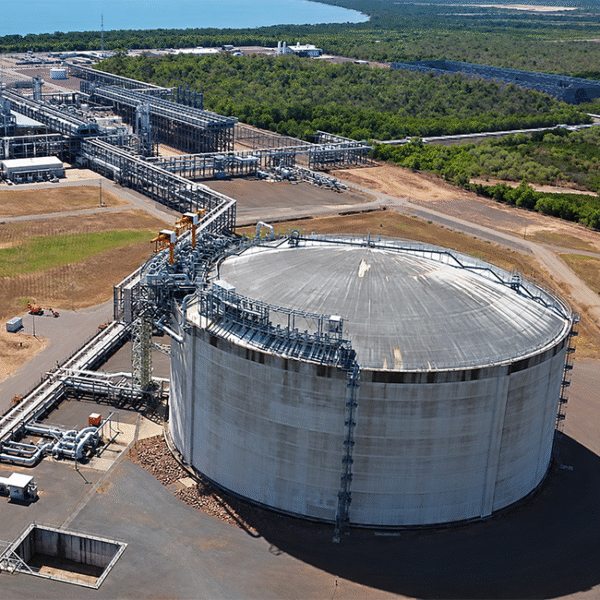
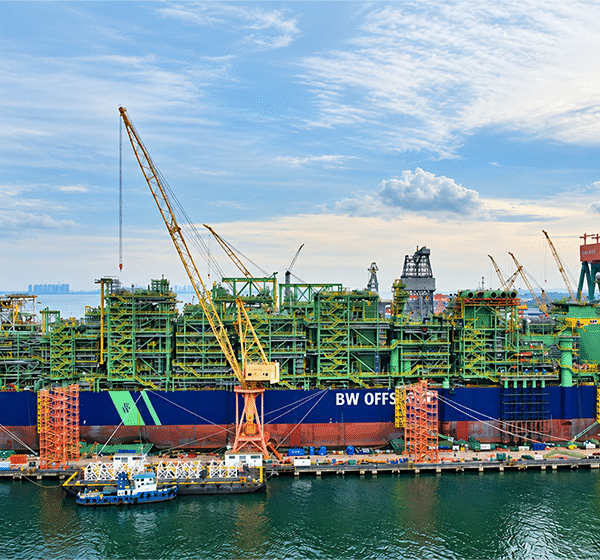
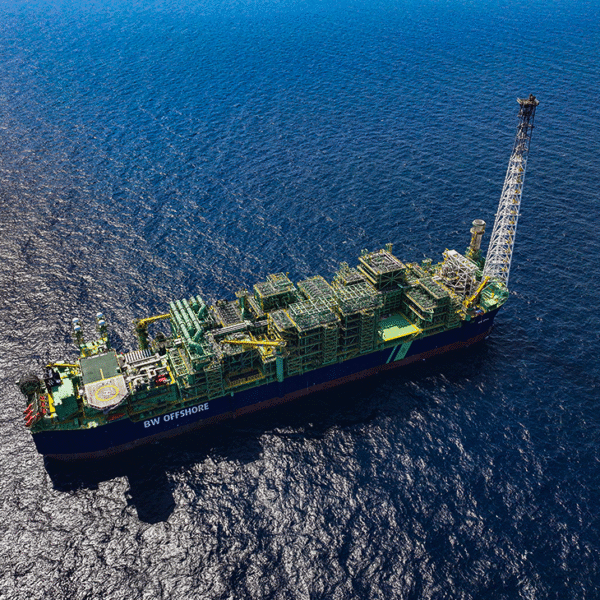
The project’s starting point is unusual too. The Barossa field lies in deep water about 285 kilometers northwest of Darwin, holding both natural gas and condensate. Directly above it floats an FPSO — a floating production, storage, and offloading vessel — which processes and separates the hydrocarbons at sea. The gas then travels 380 kilometers along a subsea pipeline, roughly the distance from London to Edinburgh, to the Darwin LNG terminal. There it is cooled to around minus 162 degrees Celsius until it turns liquid, loaded onto a carrier, and sent to Boryeong in Chungcheongnam-do.
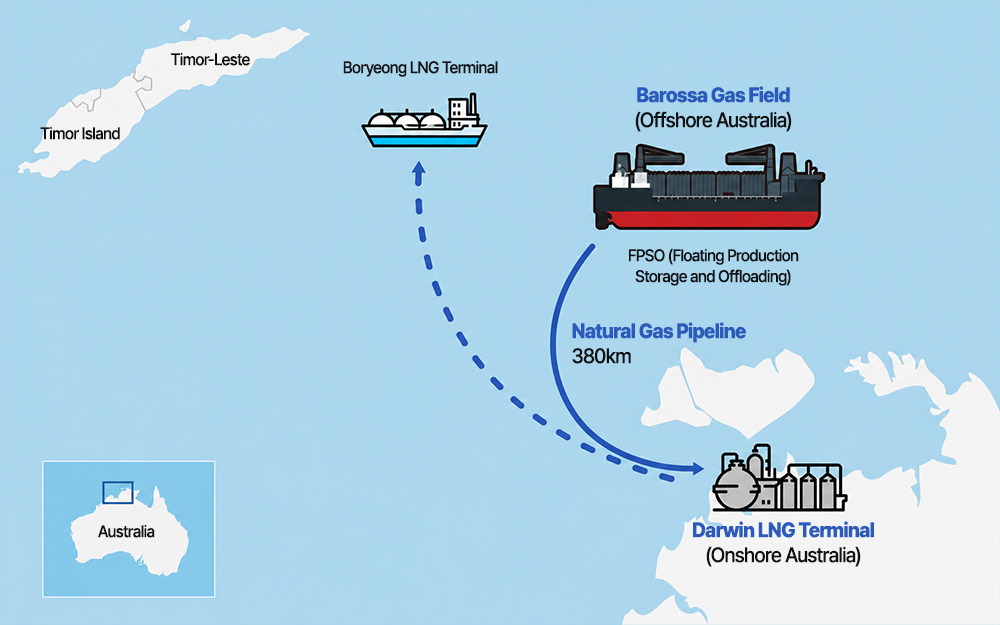
What makes this more than a supply deal is the structure behind it. Along this single route, SK Innovation E&S has built a fully integrated LNG value chain — from production upstream, through liquefaction, shipping, and regasification midstream, to power generation downstream. By reusing core infrastructure at the existing Darwin LNG terminal, a brownfield approach, the company also kept upfront capital well below the cost of building from scratch.
The result: 1.3 million tons of LNG a year, equivalent to roughly 3% of Korea’s total LNG imports, with volumes secured for the next two decades. From joining the project in 2012 to loading the first cargo, the journey took 14 years.
The city long known as the Gateway to Asia has become something more specific — a working anchor of SK Innovation E&S’s global energy footprint, and of Korea’s energy security.
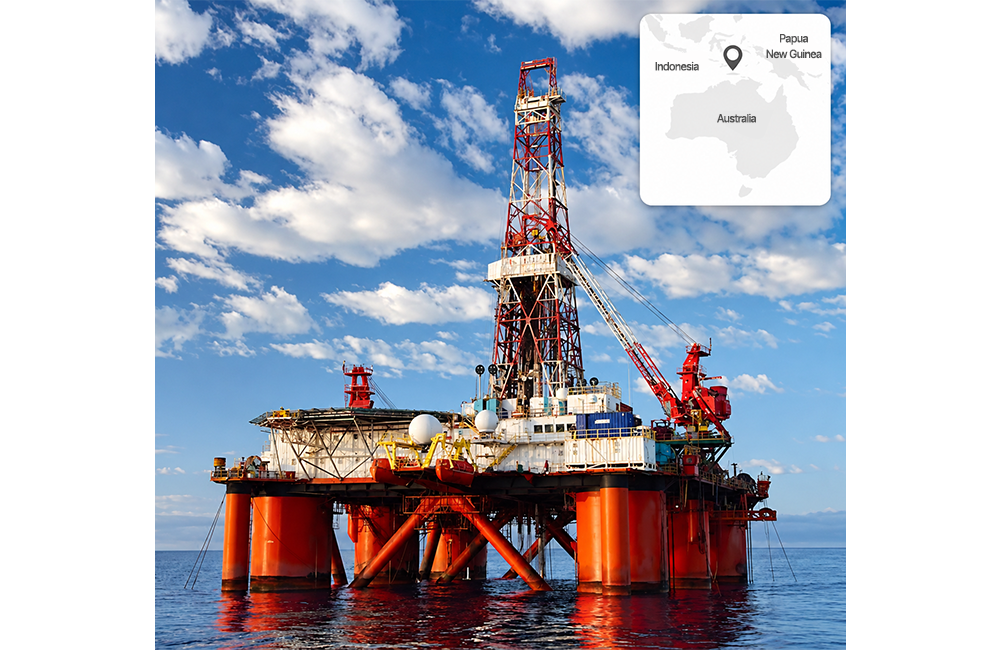
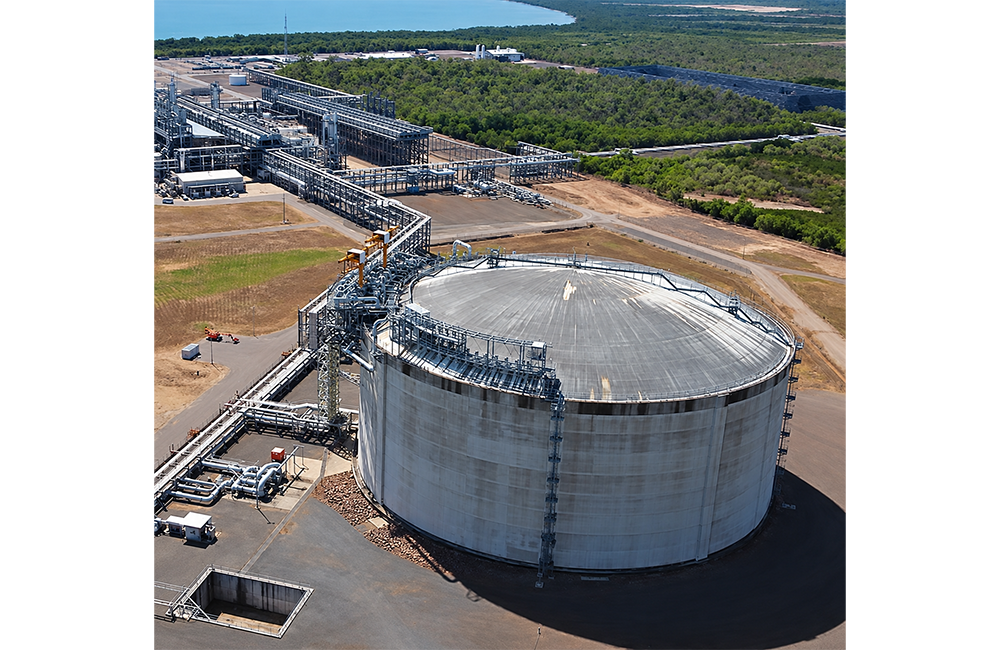
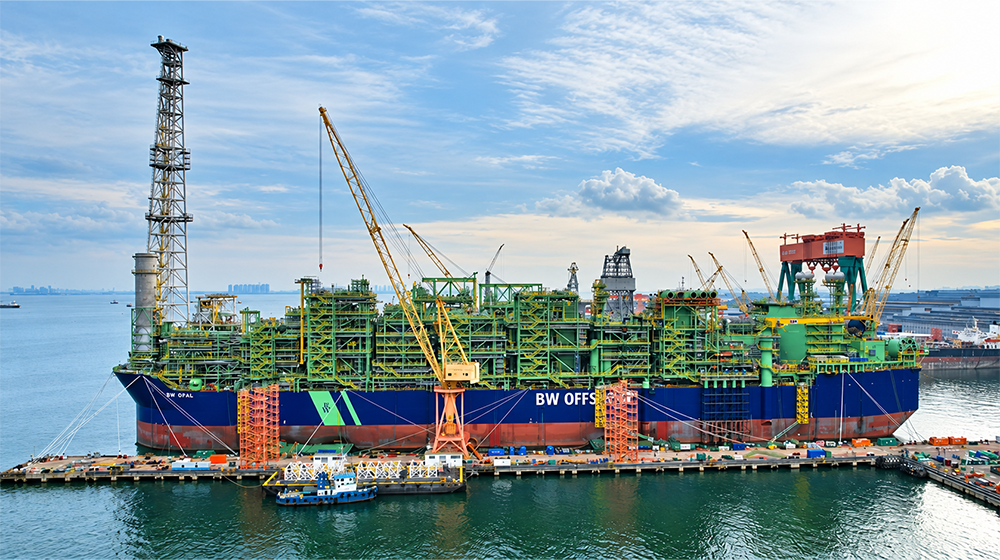
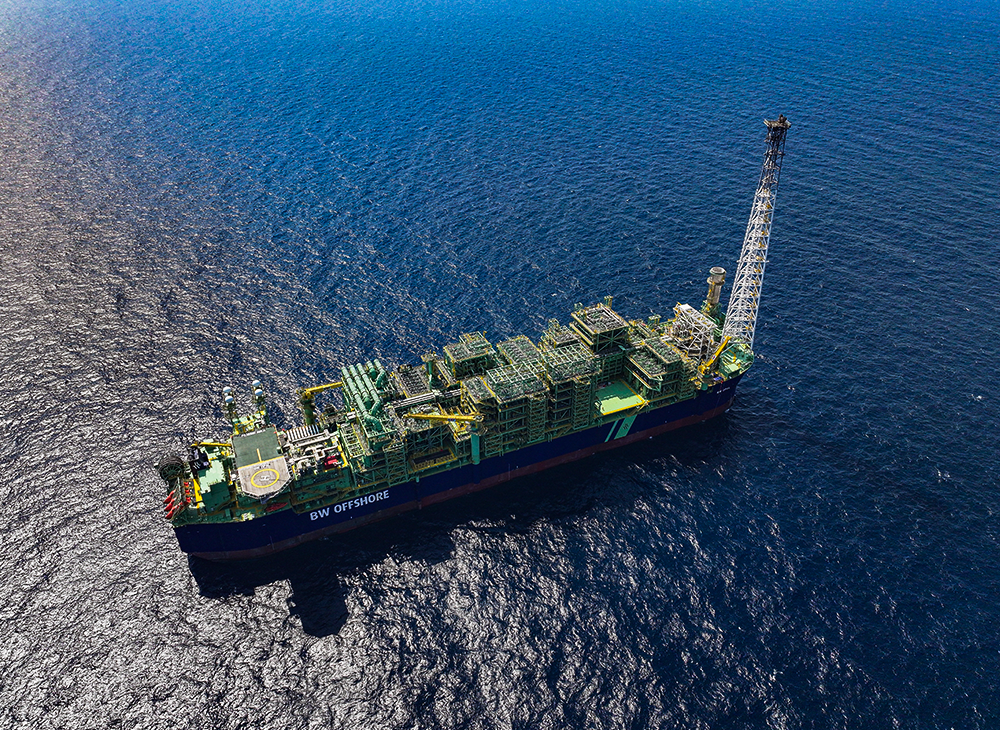
Darwin, it should be said, is not an easy place to build. There are no four seasons here — only the Wet and the Dry, and in the Wet the afternoon storms arrive like clockwork. On Christmas Eve 1974, Cyclone Tracy hit the city head-on and flattened most of it. Every building raised in Darwin since has been designed to stand up to that kind of wind, and the port and industrial infrastructure were engineered on the same assumption. It’s also why the operating schedules of the offshore field and the LNG plant are written around cyclone season, emergency response procedures built in from the start. Being close to Asia only counts as an advantage if you’re built to handle what comes with it.
| Darwin’s Next Chapter on the Global Energy Map
The global energy market is in the middle of a transition. Renewables are scaling quickly, but until they can carry the load on their own, something has to keep the grid steady — which is precisely the role LNG now plays. For Asian buyers weighing supply security above all else, the closest LNG export hub on the Australian continent is becoming a harder choice to ignore.
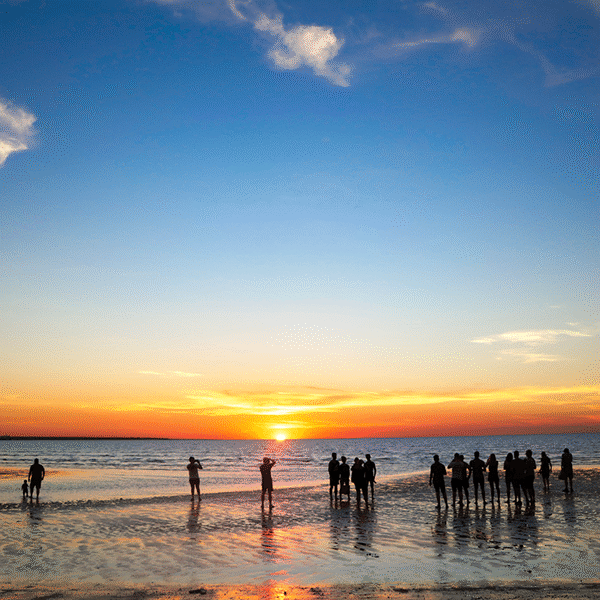
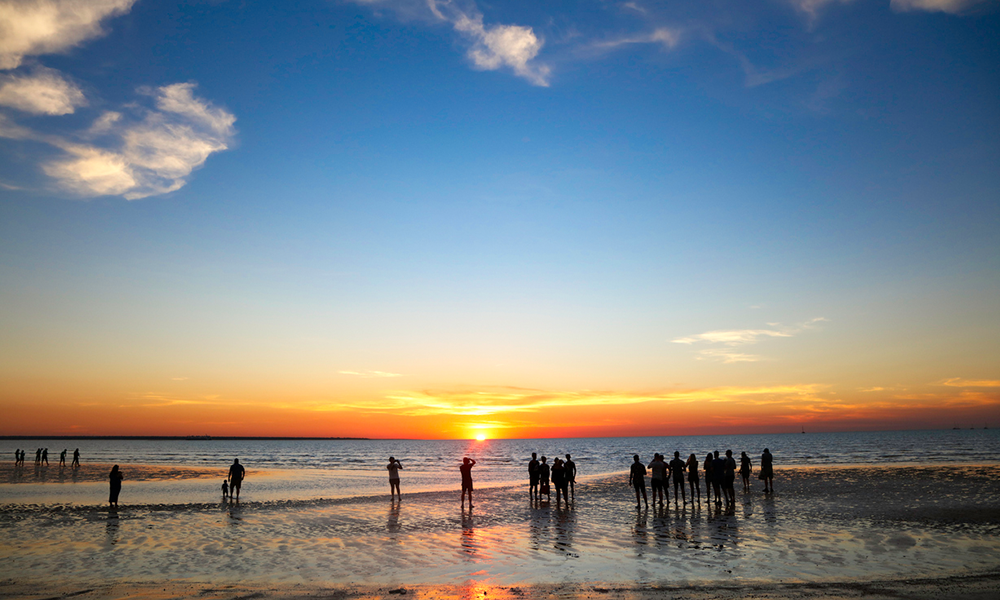
Come the dry season, Darwin’s Mindil Beach fills up for a different reason. The sunset market opens along the sand, the sky turns the color of rust, and locals, travelers from across Asia, and energy engineers in from a rotation all eat standing up in the same crowd. A century ago, this shoreline drew people chasing pearls. Now it draws people who work with gas.
Somewhere off the Timor Sea tonight, another cargo is being chilled, loaded, and sent north. Eight days later, it reaches a Korean port.
■ Related Articles

- [Inno Map] From Quiet Fishing Village to the Beating Heart of Korean Industry: Ulsan

- Market Analysts Highlight SK Innovation’s Expansion of the LNG Value Chain: “A Key Driver for Enhancing Corporate Value”

- SK Innovation E&S to Bring Home Condensate from Australia After LNG