💡 Key Takeaways
- From Roman silver to premium base oil: For over 2,200 years, Cartagena has shipped out treasure through its harbor — a legacy now carried forward by ILBOC, SK Enmove’s joint venture with Repsol powering Europe’s automotive market.
- A European strategic asset built for scale: Producing 19,300 barrels per day — about one million tons annually, or close to a quarter of SK Enmove’s global capacity — ILBOC pairs Korean process technology with local logistics to keep European supply resilient.
- A shared spirit of taking part: ILBOC employees have carried out 163 projects, activities and donations under the motto “Si te implicas, se nota” — if you get involved, it shows.
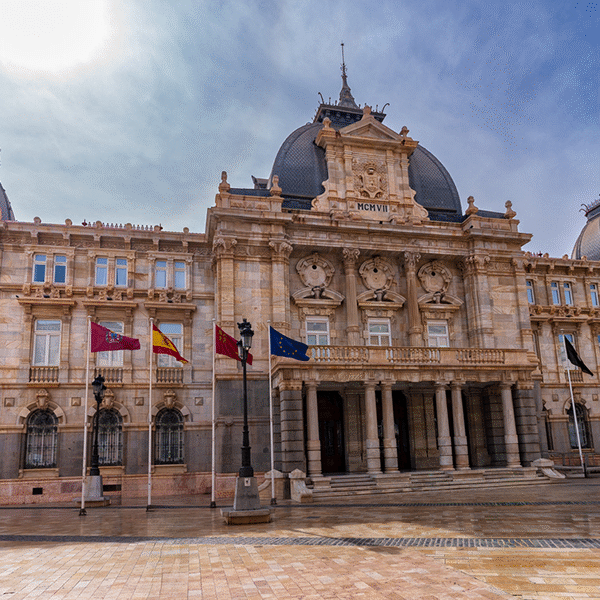
Say “Spain,” and Barcelona, Madrid and Seville come to mind. Few people outside the country could place Cartagena on a map. The better-known Cartagena is the one on Colombia’s Caribbean coast — though that city borrowed its name from this one.
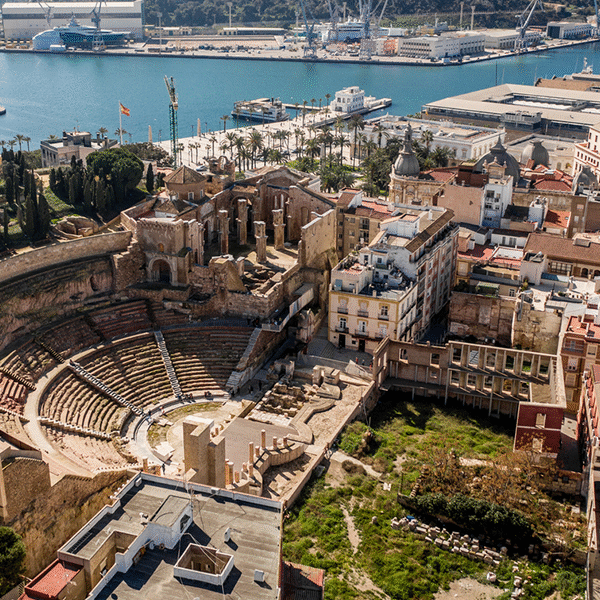
In 1988, the people of Cartagena discovered there was a Roman theatre beneath their feet. Construction crews preparing the site for a local crafts center hit ruins instead. Once a derelict market hall and the shell of an old cathedral were cleared away, a vast semicircular theatre emerged into daylight for the first time in two thousand years. And while Roman stone was rising in the middle of the city, a refining and petrochemical complex was running around the clock in the valley on the other side of the hill.
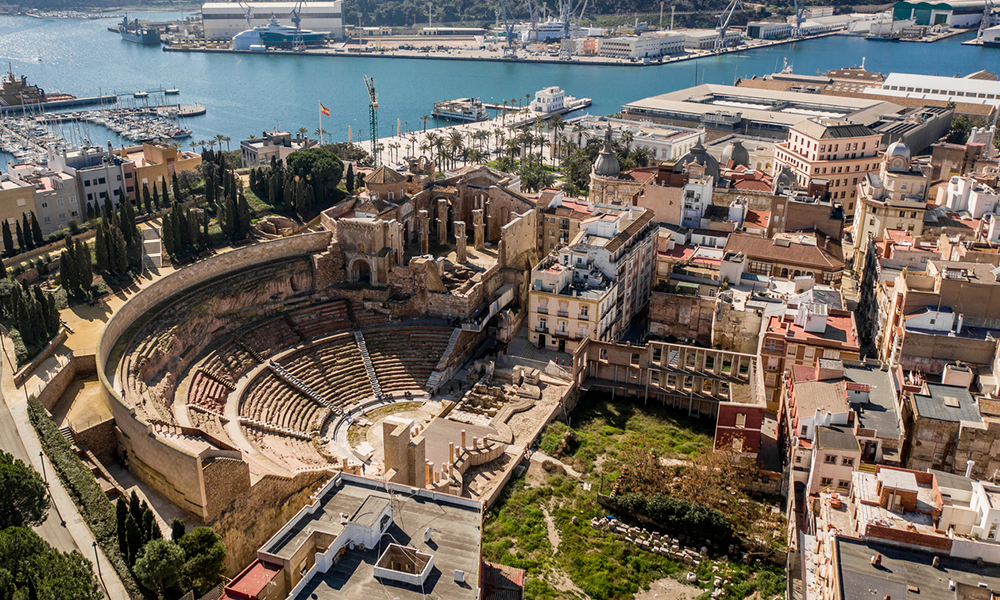
This is a port city of some 220,000 people on Spain’s southeastern Mediterranean coast. A deep bay cuts inland, ringed by rock hills that break the open-sea swell. For roughly 2,200 years it has been a strategic prize in the contest for the Mediterranean, and it remains a principal base of the Spanish Navy and a shipbuilding city that builds submarines.
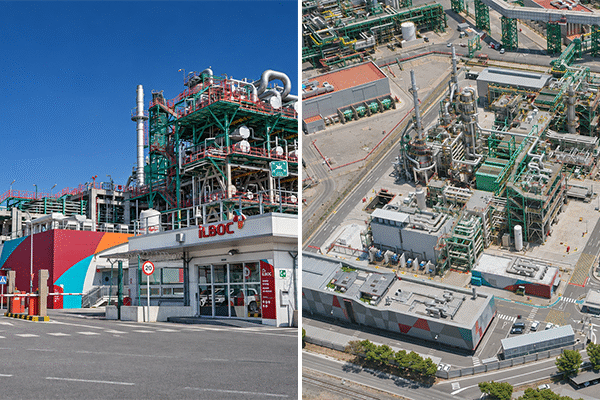
It is also where the premium lube base oil that moves Europe’s automotive market is made — at the production site of ILBOC (Iberian Lube Base Oils Company), the joint venture SK Enmove established with Repsol, one of Spain’s leading energy companies. Spain has bigger and far more famous cities. So why this unfamiliar port?
A port that has been shipping out treasure for 2,200 years
Cartagena has spent more than two millennia doing one thing: extracting what lies in the ground, processing it, and sending it out to sea. Only the cargo has changed.
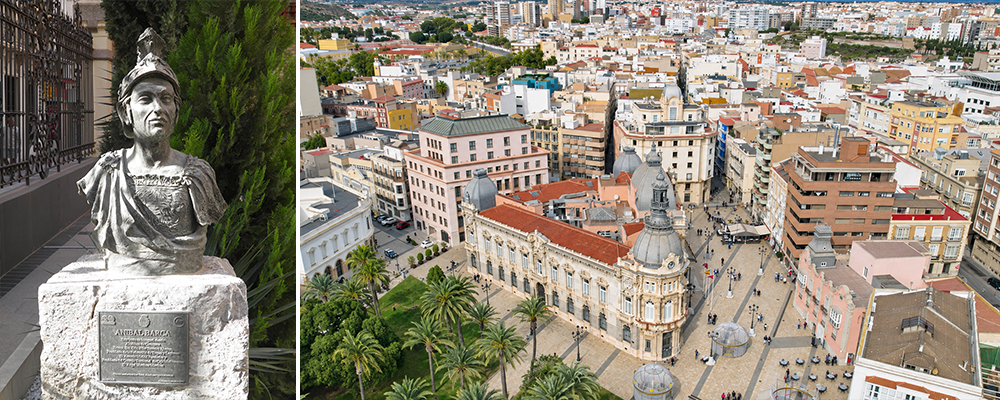
The city began in the 3rd century BC as Qart Hadasht, founded by the Phoenicians. The name meant “new city” in Phoenician; under Roman rule it became Carthago Nova, and that is the ancestor of today’s Cartagena. In 218 BC, this was the harbor from which Hannibal set out for Rome with his army and his elephants — the starting line of the campaign that crossed the Alps and brought Rome to the edge of panic.
Carthage prized the city for what lay inland and underground. The nearby hills held some of the richest silver deposits in the ancient Mediterranean. Tens of thousands of workers went down into the shafts, and the silver they cut out left through this harbor. Dig up, process it, ship it out — in Cartagena, that has been the grammar of industry from the very beginning.
The waters offshore were just as productive. The Romans are said to have called this stretch of coast “the land of mackerel.” They salted and fermented the catch into garum, a fish sauce they sold across the empire. One account holds that Escombreras — the name of the valley where supertankers berth today — traces back to those fish. Garum was made much the way fish sauces still are in Korea and Southeast Asia: salt, time, and patience.
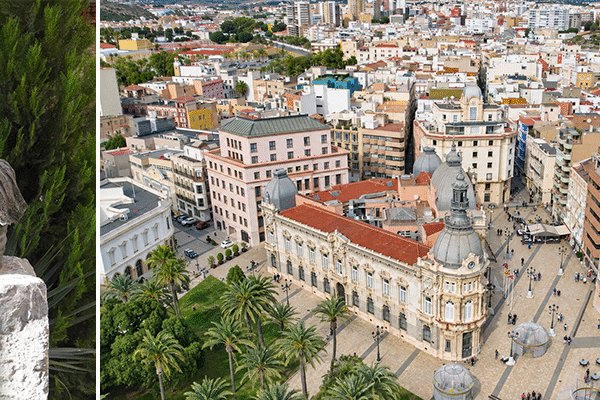
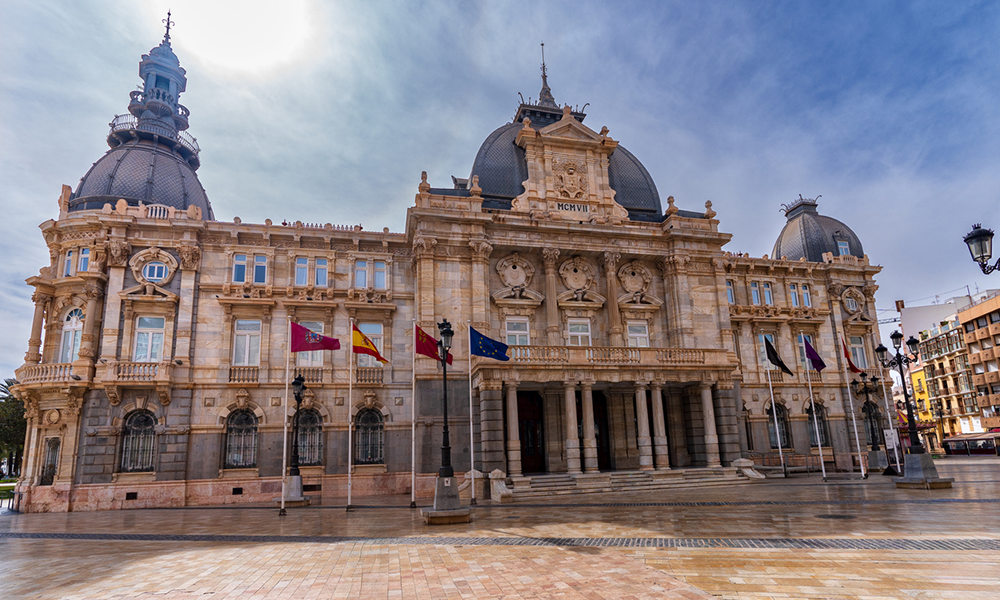
In the 19th century the treasure changed again. Mining revived in the hills nearby, this time for lead and zinc, and miners and mine owners poured in. The ornate modernist buildings that fill Cartagena’s old town were built on the fortunes that boom produced.
Then, in 1948, a company was founded for the purpose of building a refinery in theEscombreras valley. It took its name straight from the valley: REPESA (Refinería de Petróleos de Escombreras, “Escombreras Petroleum Refinery”). In 1951, the company launched a line of premium lubricants under a new brand name — Repsol.
The products sold well, and the name turned out to be easy to pronounce in almost any language. So when a new energy group was formed in 1987 and needed a name that would travel internationally, it adopted that brand. The group called itself Repsol.
Silver to fish, lead and zinc to petroleum. Only the treasure has changed; for more than 2,200 years, this harbour has been doing the same work.
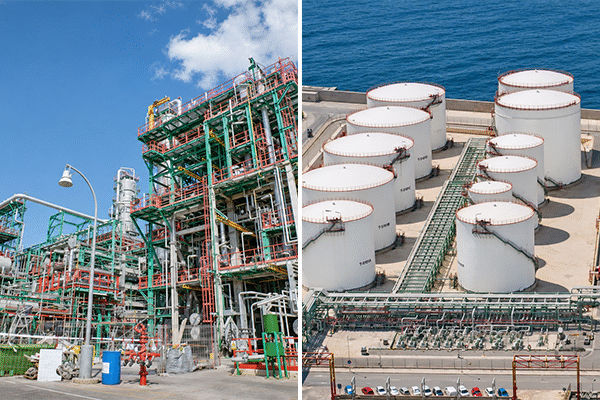
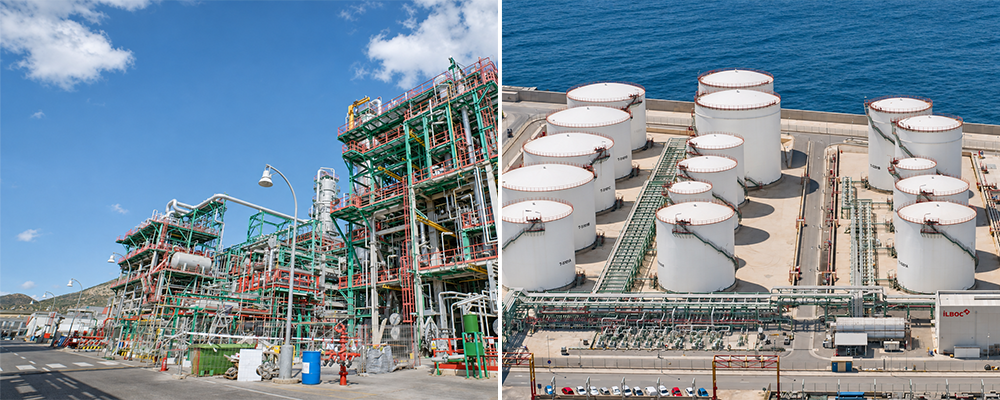
ILBOC’s Cartagena plant, the SK Enmove – Repsol joint venture, was completed in 2014. It entered commercial operation at 13,300 barrels per day — roughly 630,000 tons a year — and after subsequent expansion now has a capacity of 19,300 barrels per day, or about one million tons annually. That is close to a quarter of SK Enmove’s global lube base oil capacity of some 80,300 barrels per day, which includes Ulsan in Korea and Dumai in Indonesia.
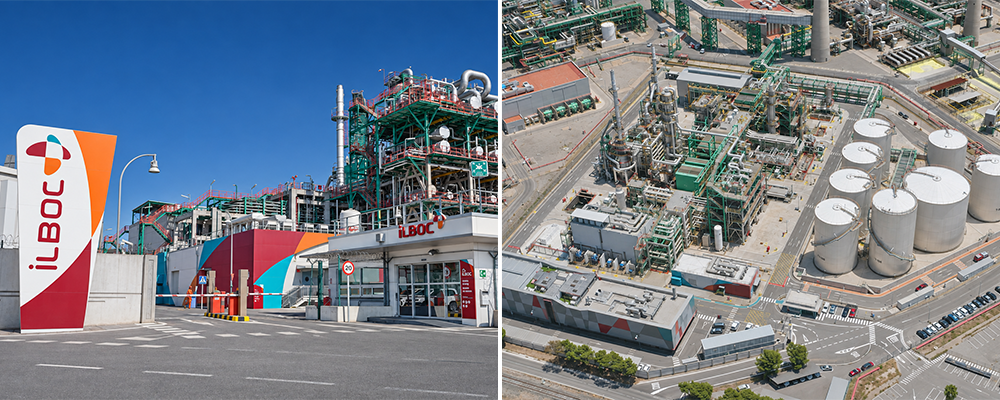
The base oil produced here reaches Europe and other global markets under YUBASE, SK Enmove’s premium lube base oil brand. The model is a straightforward one: decades of base oil process technology accumulated at SK Innovation’s Ulsan Complex (Ulsan CLX), applied at an overseas site and paired with Repsol’s refining and logistics infrastructure. It is widely regarded as one of the company’s most successful global joint ventures.
That logic has only grown stronger. With tension in the Middle East and disruption across shipping routes adding to an already uncertain global supply picture, a European production base that sources its feedstock directly on site and serves the market from inside the region is a strategic asset rather than simply a plant. Europe’s most demanding engine oil specifications change quickly, and meeting them is far easier from the same continent than from the other side of an ocean.
A city that runs on taking part
Every September, Cartagena travels back 2,200 years. Thousands of residents divide into Carthaginian and Roman armies, pitch encampments in the streets, and re-enact Hannibal’s departure and the Roman siege of the city. It is the largest event on the local calendar. A city that found a Roman theatre under its own pavement does not keep its past in a museum — this is not a festival people watch, but one they dress up for and camp out in.
And on all the other days of the year, there are still people in this city who choose to pitch in.
ILBOC’s approach to its community works much the same way. The projects are not chosen by the company; they are chosen by the people who work there. Employees propose which organizations to support and why, then take them on from planning through to finding partners and carrying out the work. Hence the motto of ILBOC’s corporate social responsibility programme: “Si te implicas, se nota” — if you get involved, it shows.
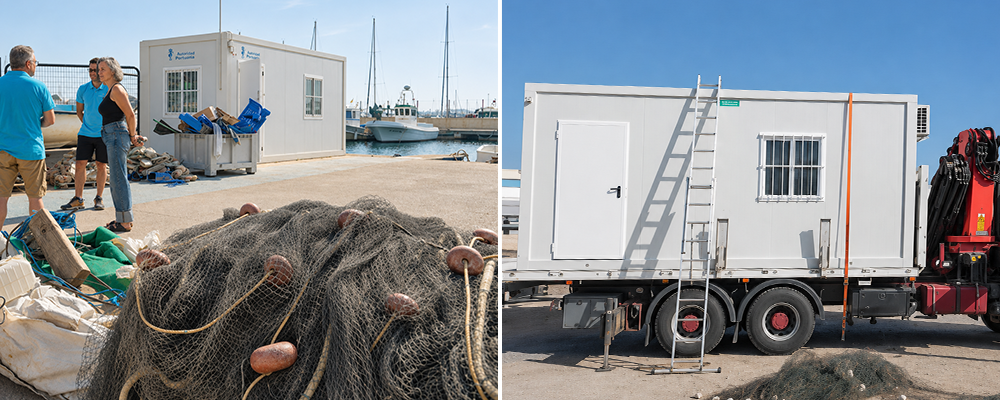
Since 2016, ILBOC has carried out 163 projects, activities and donations spanning the environment, social welfare and culture. One of them is called Plumbum — Latin for lead. It supports an association working to conserve the seahorse population of the Mar Menor, the salt lagoon up the coast, and part of that work involves recovering lead fishing weights from the seabed. Lead was also the metal this region dug out of the ground and shipped to the world in the 19th century. And in La Unión, the mining town whose miners’ songs survive today as cante de las minas, a flamenco style of their own, another project is digitizing the ageing sheet music archive of the town’s music association.
The oil that keeps Europe’s engines running — and the next treasure
Europe’s automotive market is in transition. Electric vehicles are taking share quickly, but internal combustion and hybrid vehicles will be on the road throughout that shift. If anything, as automakers push for thinner, longer-lasting engine oils to meet fuel economy and emissions rules, the premium base oils capable of meeting those standards matter more than before.
In the evening, the lights come on across the plant in the valley. From the water Hannibal’s fleet sailed out of, from the shore where Romans once salted their fish, base oil made with technology that travelled from Korea is loaded for Europe.
Cartagena’s treasure now is lube base oil. And when the shift ends, the people at ILBOC who make it drive home past the Roman theatre.
■ Related Articles

- [Inno Map] From Pearling Grounds to Asia’s Energy Gateway: Darwin, Australia

- [Inno Map] From Quiet Fishing Village to the Beating Heart of Korean Industry: Ulsan

- [Card News] SK Lubricants-Repsol JV ILBOC’s heartfelt effort for a better world, “Si te implicas se nota”