💡 Quick Summary
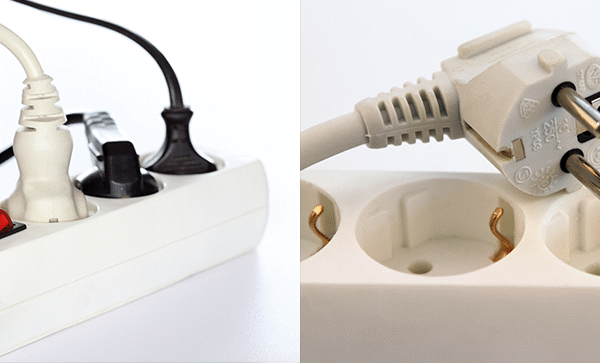
- Even when switched off, electronic devices can draw standby power, also known as “vampire power,” if they remain plugged in. Unplugging them or switching off their power strip can cut this consumption.
- Data centers have “zombie servers” that stay powered on, consuming electricity without doing useful work. As AI demand grows, securing enough power is becoming an even bigger challenge.
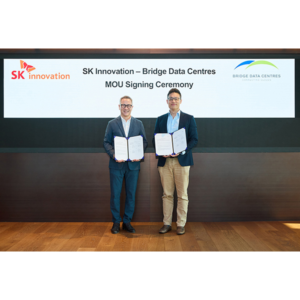
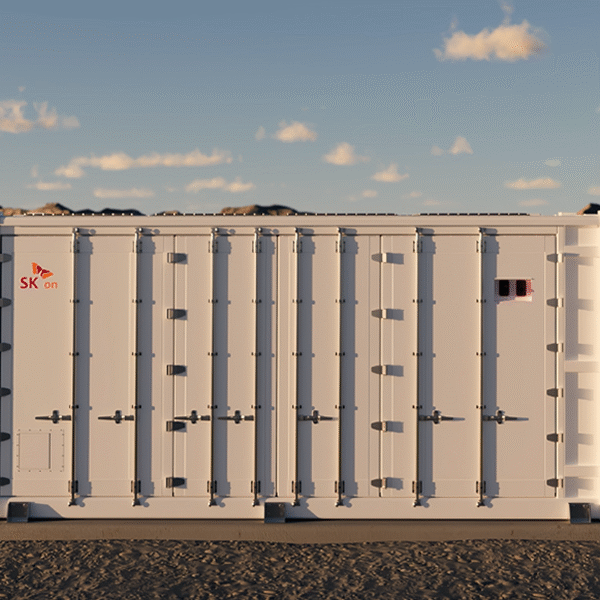
- SK Innovation is expanding its energy storage and supply capabilities through ESS, including SK On’s GRIDON, to manage short-term fluctuations in power demand, and SMRs as a medium- to long-term power source through its Natrium collaboration with TerraPower.
| Could Your Home Be Haunted, Too?
Halloween is almost here. Every year around this time, I get together with friends at home for a Halloween party, complete with snacks and games. Of course, no Halloween party is complete without a horror movie. I’m usually too much of a scaredy-cat to watch one, but on Halloween, I always brave a film with friends.
Still, I have a horror story that might spook even seasoned horror fans. The party’s over. You’ve switched off the TV, game console, and cable box. Yet somehow, they’re still using electricity. Isn’t that scarier than the movie?
“Wait, then who’s using it?”
This electricity consumption goes by a couple of suitably spooky names: “vampire power” and “phantom load.” Vampires and ghosts? The names alone are enough to send a shiver down your spine. What’s more, these creatures don’t just turn up at Halloween. They live in our power outlets 365 days a year. They don’t even pay rent.
A horror movie ends after a couple of hours. These “creatures” do not. Turns out the scariest thing in my home that night wasn’t the movie after all. So before I start planning this year’s Halloween party, I think it’s time to track down these suspicious tenants. Care to join me?
| Little Ghosts in Our Outlets: How Much Do They Add Up To?
Some electronic devices stay ready for their next use even after we switch them off. A TV needs electricity to wait for a signal from the remote. A microwave needs it to keep its clock on. As it turns out, “looking switched off” and “being completely disconnected from power” are two different things. The electricity a device uses while waiting is called standby power. That’s the technical name for “vampire power.”
So we don’t need to evict every last one of these tenants. Some are doing a useful job. But there’s no reason to keep a device standing by if we won’t be using it for a while. Getting them out is easier than you might think. Just unplug the device, or cut the power using a switched power strip.
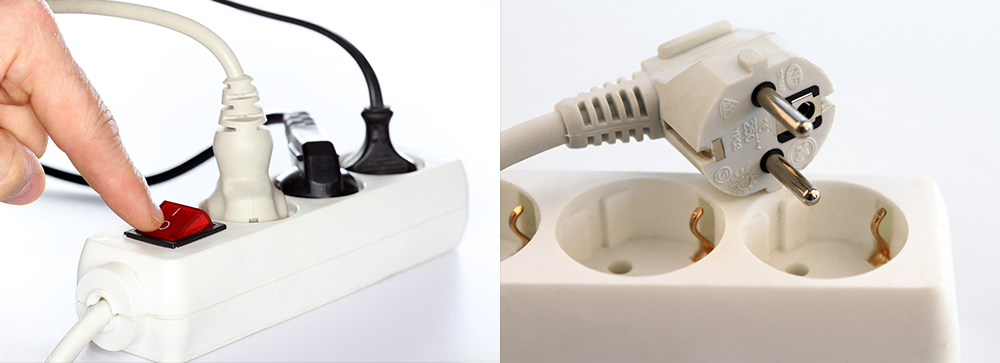
One vampire in my home might not sound like much. But imagine a power-hungry vampire staying in each of South Korea’s roughly 23 million households. Suddenly, that’s quite a crowd. Even small amounts of electricity consumption become a different story when they all add up.
| Power-Hungry Zombies in Data Centers, Too?
What about places that use large amounts of electricity around the clock? Data centers are a prime example, handling AI computing and online services day and night. As requests pour in from around the world, both server workloads and power needs grow. You’d think every server in a data center must be hard at work right now.
“But are they?”
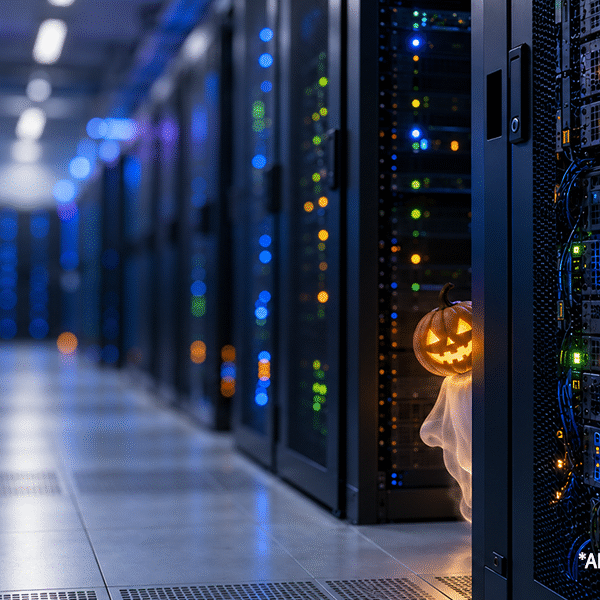
Data centers can have “zombie servers”: machines that remain powered on without doing useful work for long periods. They keep drawing electricity, even though CPU and memory utilization — the measure of how much computing and data processing they’re actually doing — sits close to zero.
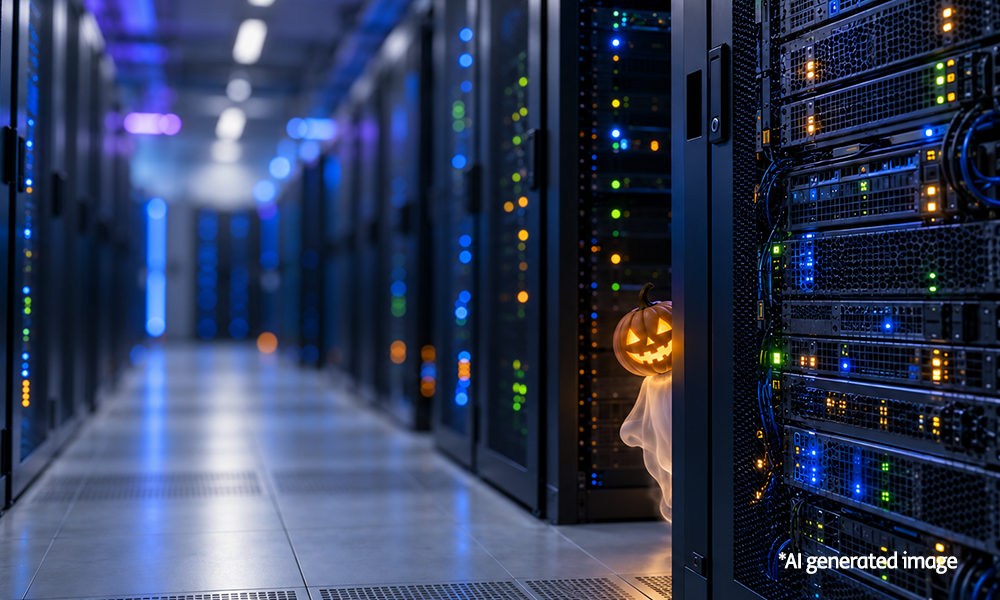
Like vampire power at home, this consumption is easy to overlook. The difference is what it does. Standby power can serve a purpose by keeping a device ready for its next use. The electricity consumed by a zombie server leads to no useful work at all.
At home, we measure our vampires’ appetite in watts (W). In data centers, the zombies add up rack by rack— a rack being the cabinet that holds dozens of servers. Those powered-on servers also give off heat, which takes more electricity to remove, adding to the cooling load.
That’s why data centers start by hunting down these zombies. They check what each server is doing, consolidate workloads, and monitor power use around the clock. It’s much like unplugging an unused device at home. Just on a different scale.
“So once we get rid of all the zombies, are we done?”
Not quite. The more often we use AI to summarize documents and generate images, the more work servers have to do. Reducing zombie servers is like plugging a leak in the tank. AI, meanwhile, keeps making the tank we need bigger. Building the power plants and grid infrastructure to support that growth takes considerable time, too.
The challenge for data centers is therefore moving beyond “How can we use less electricity?” to “How can we secure a reliable, uninterrupted power supply?”
| Meet the Energy Guardians of Data Centers That Never Sleep
If the energy world has vampires and zombies consuming electricity on scales large and small, from standby power to zombie servers, does it also have guardians to protect data centers that never sleep?
“Yes, it does.”
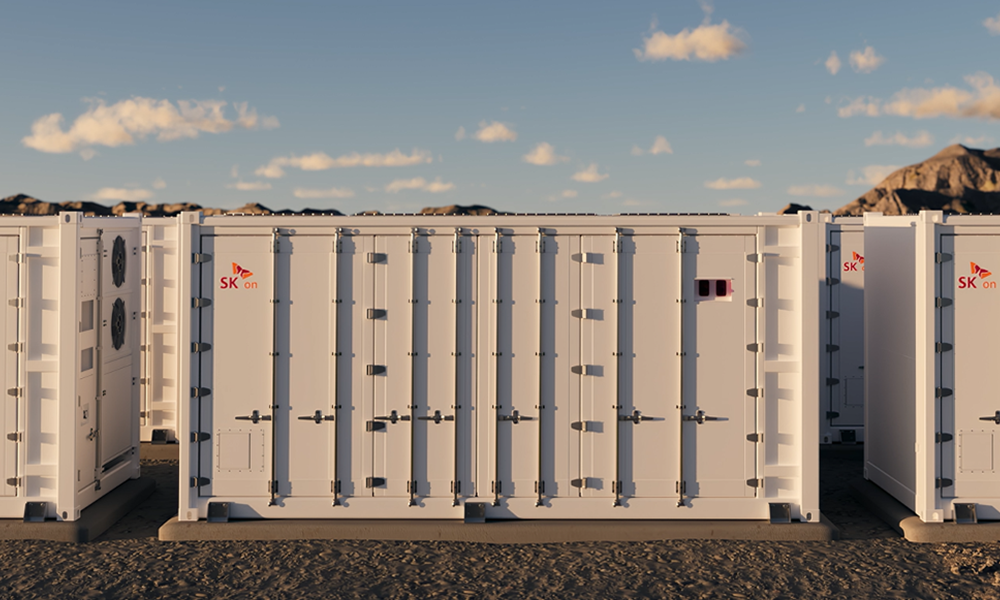
The first guardian is the energy storage system, or ESS. It stores electricity in advance and releases it when needed. When a rush of AI workloads sends power demand soaring, ESS adds stored electricity to help keep the supply flowing.
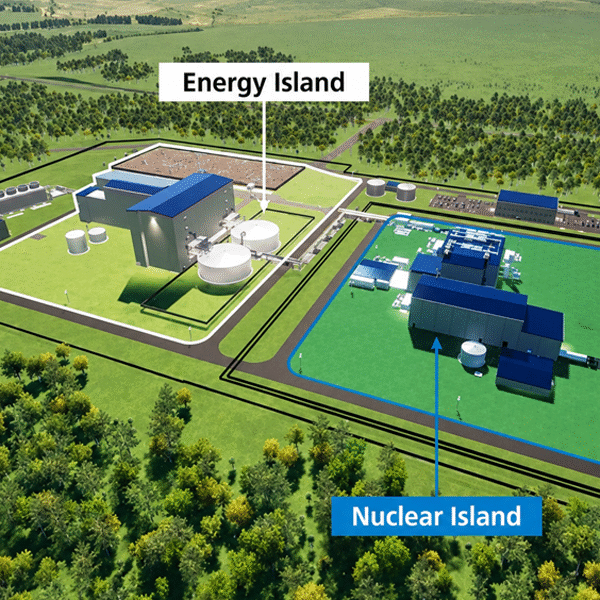
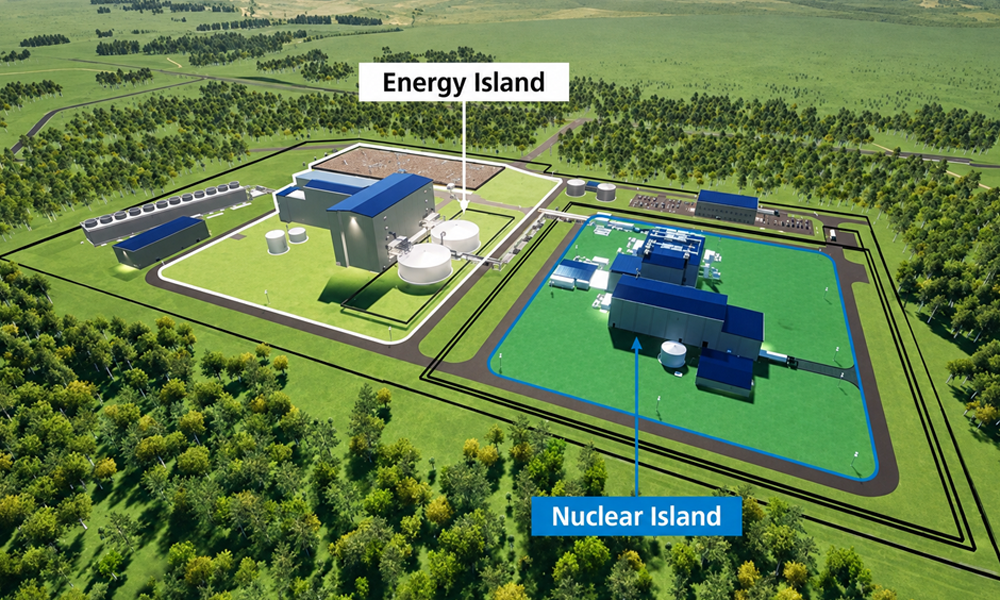
Another guardian is the small modular reactor (SMR), a reactor built from factory-made modules that are assembled on site on a smaller scale than conventional large nuclear plants.
Put simply, ESS helps manage short-term power fluctuations, while SMRs could provide a reliable power source over the medium to long term.
Generating electricity is only part of the equation. We also need to store it and deliver it at the right moment. That’s why SK Innovation is developing both capabilities. Its battery subsidiary SK On has introduced GRIDON, an integrated ESS solution brand that brings together innovations including an EIS*-based battery management system (BMS) and a dual-valve design. Meanwhile, SK Innovation is expanding its collaboration with TerraPower, participating in the U.S. Natrium (Latin for sodium) SMR demonstration project and working toward commercialization in Korea through its K-Natrium initiative.
*EIS (Electrochemical Impedance Spectroscopy): a non-destructive diagnostic technique that injects a small alternating current into the battery and measures its voltage response across a range of frequencies, analyzing the components of internal impedance (electrical resistance) to assess the battery’s condition.
| Cut the Waste, Keep the Power Flowing
Shall we head back home? The vampire in my living room had been settling in, day after day. Meanwhile, the zombies in data centers were consuming electricity by the rack. What they had in common wasn’t how much they consumed. It was how easily they went unnoticed. Once we spot them, we can do something about them. At home, that can be as simple as checking which devices are on standby and switching off the power strip.
Data centers may be far from home, but they’re closely connected to our daily lives. There, the task is to retire servers that do no useful work and to keep essential power flowing without interruption — with ESS now, and SMRs in the years ahead. At first, that might seem like the opposite of what we do at home. In fact, the goal is the same. Stop the waste, and make sure the power we need is there.
So go ahead and enjoy the movies, games, and late-night fun this Halloween. I certainly will. Just take a look at your power outlets after you’ve said goodbye to your friends.
Those rent-free tenants who have been squatting in your outlet all year? It’s time to show them the door.
■ Related articles

- The Age of AI Data Centers – Why the US ESS Market Deserves Global Attention

- [Inside ESS] Powering the Future of Energy SK On ESS: GRIDON

- ESS: Powering the AI Era – SK On Sets a New Standard for ESS Safety

- [Energy’s Plot Twist] “Small Size, But Big Energy!” How Small Modular Reactor (SMR) is Redefining Nuclear Power with its Advantages

- SMRs: A Game Changer for Powering the AI Era